Articel Details
Metal Bonding Solutions: Expert Insights on Epoxy Resin AB Two-Component Adhesives
Understanding Metal Adhesives: A Comprehensive GuideMetal adhesives, also known as metal glues or metal bonding agents, are high-performance adhesives designed specifically for bonding metal surfa
25-04-26

Metal Bonding Solutions: Expert Insights on Epoxy Resin, AB Glue, and Two-Component Adhesives
### Understanding Metal Adhesives: A Comprehensive Guide
Metal adhesives, also known as metal glues or metal bonding agents, are high-performance adhesives designed specifically for bonding metal surfaces. Unlike traditional connection methods, metal adhesives utilize a chemical reaction to form a strong bond layer on metal surfaces, enabling tight connections between metals or between metal and other materials. This guide will delve into the basics of metal adhesives, their types, factors to consider when selecting them, and essential tips for effective use.
#### 1. Basics of Metal Adhesives
Metal adhesives typically consist of two components: a base resin and a hardener. When mixed, these components initiate a curing process that ultimately results in a high-strength bond. The ability of metal adhesives to handle diverse conditions makes them an invaluable resource in various industries, from manufacturing to automotive repair and electronics assembly.
#### 2. Common Types of Metal Adhesives and Their Characteristics
1. **Epoxy Adhesives (AB Adhesives)**: One of the most widely used types of metal adhesives, epoxy adhesives are renowned for their exceptional bonding strength and good weather resistance. They can endure a broad temperature range from room temperature to high heat, making them suitable for bonding various metals like steel, aluminum, and copper. Epoxy adhesives also exhibit excellent chemical resistance and electrical insulation properties.
2. **Acrylate Adhesives (Quick-Drying Adhesives)**: Ideal for quick repairs and temporary bonding, acrylate adhesives cure within seconds, making them perfect for small metal parts. While they provide high initial strength, their long-term heat and chemical resistance are lower than that of epoxy adhesives, making them best suited for light-load applications.
3. **Anaerobic Adhesives**: These adhesives cure in the absence of air, which is particularly useful for thread locking and sealing applications. They form a durable plastic-like substance on metal surfaces, preventing loosening due to vibrations without harming the metal itself.
4. **Silicone Adhesives**: Although primarily used for non-structural bonding, silicone adhesives possess good adhesion and flexibility for metal applications. They can withstand significant temperature fluctuations without losing their adhesive properties, making them ideal for sealing tasks where flexibility is essential, such as in electronic components or outdoor equipment waterproofing.
#### 3. Factors to Consider When Choosing Metal Adhesives
1. **Application Environment**: Assess the working temperature range and potential exposure to chemicals or humidity to ensure the adhesive will perform reliably over time.
2. **Bonding Strength Requirements**: Select an adhesive with an appropriate strength grade based on the load the bonded area must endure. For high-strength applications, epoxy adhesives are generally recommended.
3. **Curing Time**: For urgent repairs or streamlined production processes, quick-curing adhesives like acrylate are ideal. In contrast, slower-curing adhesives may be preferable for precise bonding to allow for adjustments.
4. **Surface Preparation**: The cleanliness and roughness of metal surfaces directly influence adhesion effectiveness. It is crucial to remove grease, oxidization, and potentially lightly sand the surfaces to increase the bonding area.
5. **Cost and Efficiency**: Evaluate the materials' costs, the ease of application, and post-curing maintenance costs to choose cost-effective solutions.
#### 4. Tips and Precautions for Using Metal Adhesives
- **Thorough Cleaning**: Use alcohol or specific cleaners to remove oils, dirt, and oxidation from metal surfaces.
- **Surface Pre-Treatment**: Light sanding or blasting can enhance bonding strength.
- **Accurate Mixing**: For two-component adhesives, strictly follow the mixing ratio provided in the instructions and ensure thorough mixing before use.
- **Control Adhesive Quantity**: Applying excessive adhesive can be wasteful and may lead to overflow that impacts aesthetics and functionality.
- **Fixing and Clamping**: During bonding, use clamps or weights to hold the parts together until fully cured.
- **Safety Precautions**: Wear safety goggles and gloves when handling adhesives to avoid skin and eye contact, and ensure good ventilation.
### Conclusion
Metal adhesives provide diverse solutions for connecting metal materials, playing a crucial role in industrial production and offering convenience for DIY enthusiasts and repair personnel. By choosing and utilizing these adhesives correctly, one can significantly enhance work efficiency, reduce costs, and, in many cases, deliver a bonding effect that is more reliable and flexible than traditional methods. As adhesive technology continues to advance, we can expect more innovative metal bonding solutions to emerge, meeting increasingly complex and demanding application needs.
### Keywords:
- Epoxy Adhesives
- AB Adhesives
- Dual-component Adhesives
- Acrylate Adhesives (Quick-Drying Adhesives)
- Anaerobic Adhesives
- Silicone Adhesives
Recent Blog Here
Related Articles
Articel
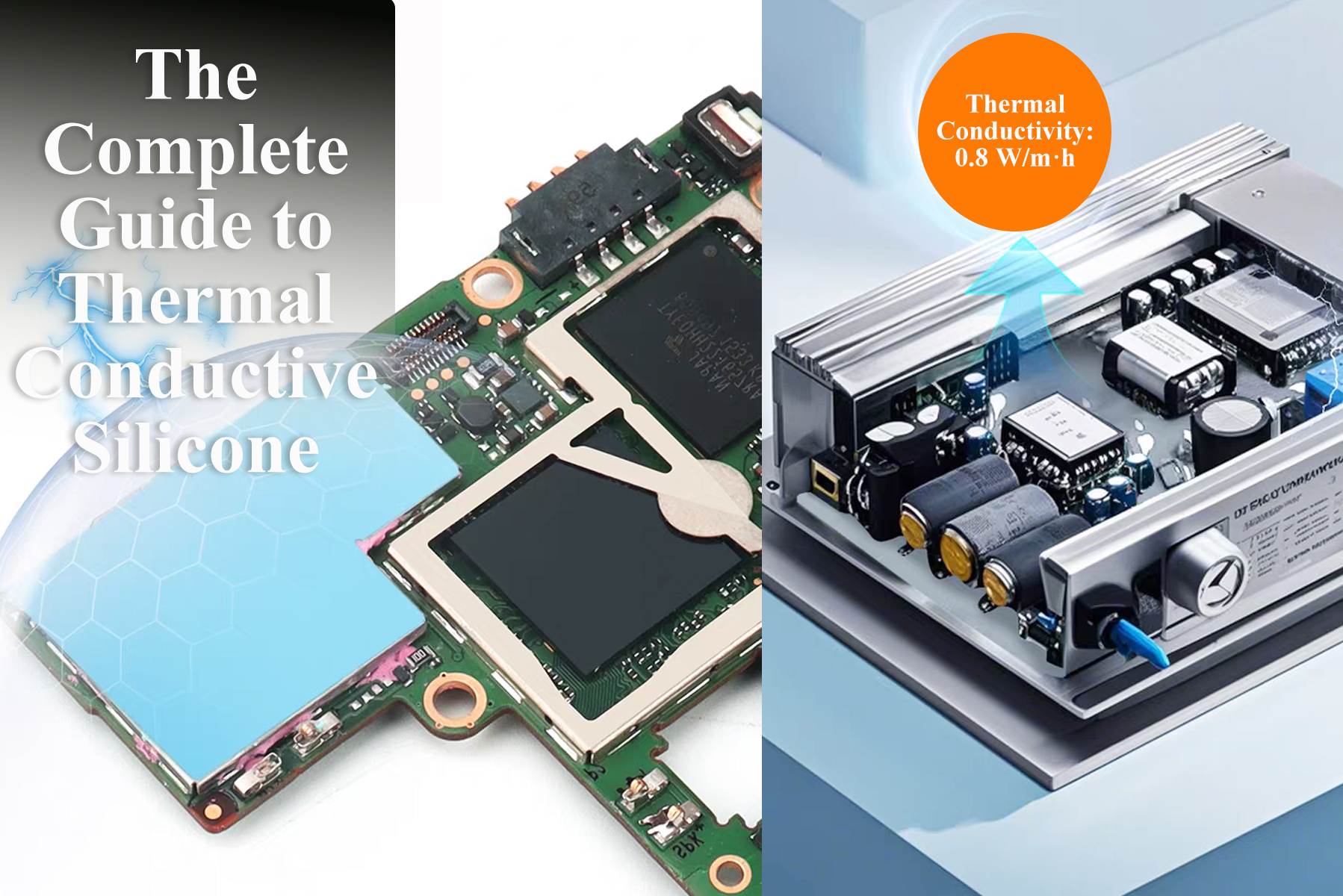
Thermal Conduction Warrior: The Complete Guide to Thermal Conductive Silicone
All the Lorem Ipsum generators on the Internet tend to repeat predefined chunks.
Articel
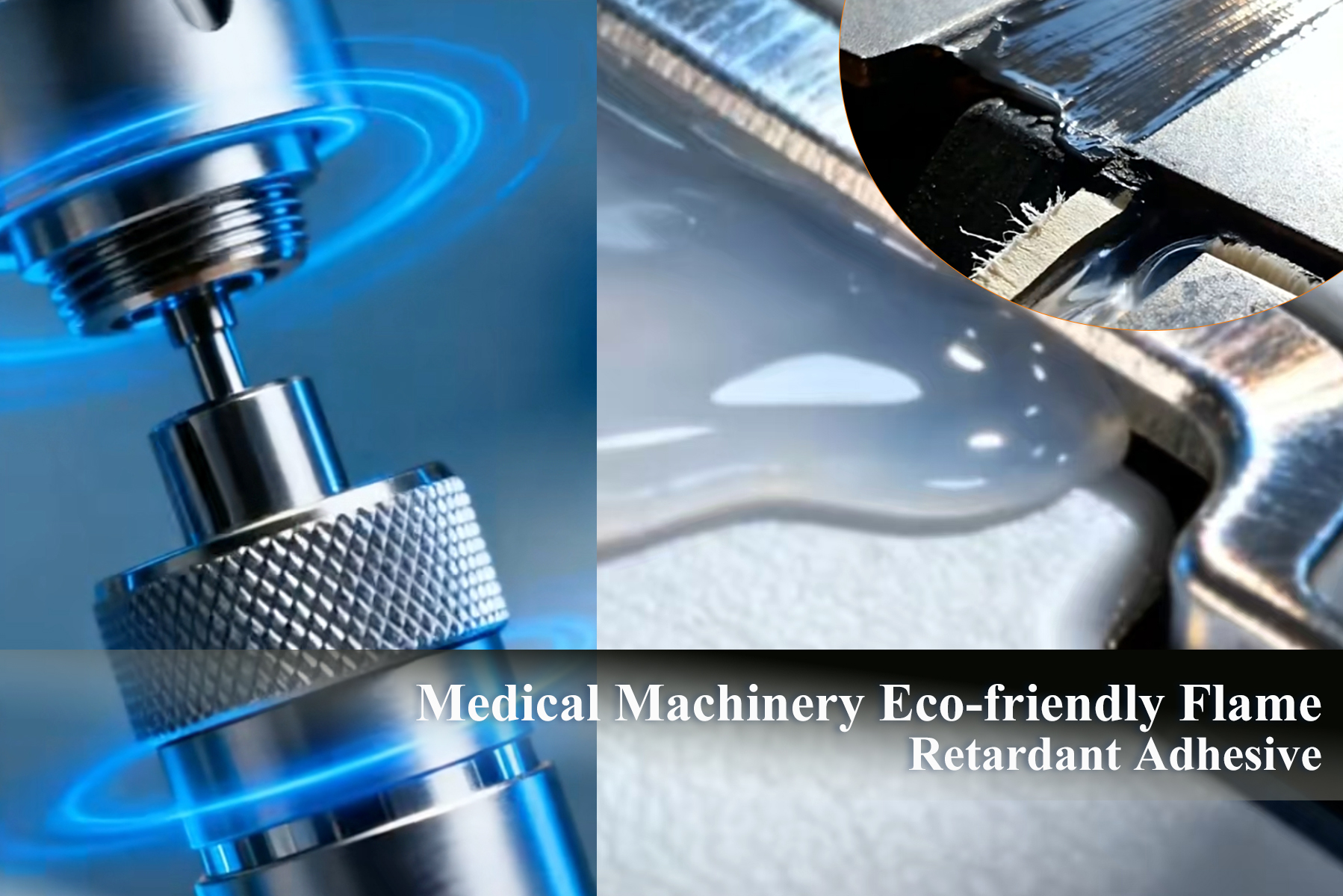
Medical Machinery Eco-friendly Flame-Retardant Adhesive: Eliminate Fire Hazards, Flexible Bonding with Primer-Free Efficiency
All the Lorem Ipsum generators on the Internet tend to repeat predefined chunks.
Articel
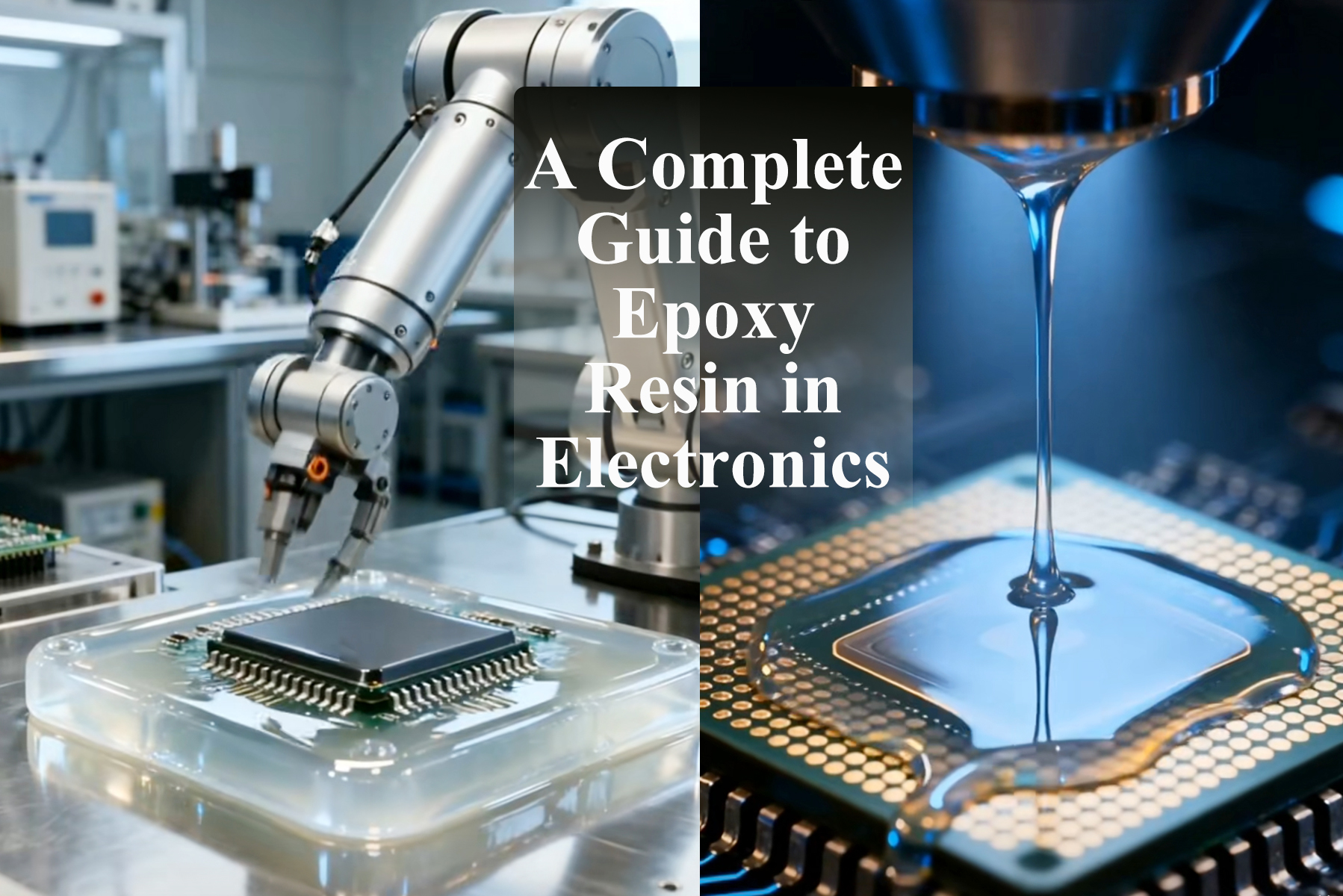
Can You Use Epoxy Glue on Electronic Components? A Complete Guide to Epoxy Resin in Electronics
All the Lorem Ipsum generators on the Internet tend to repeat predefined chunks.
Articel
Mastering the “All-Rounder”: How WEFILL’s Corrosion-Resistant Filling Machines Solve Acrylic Acid Packaging Challenges
All the Lorem Ipsum generators on the Internet tend to repeat predefined chunks.
Articel
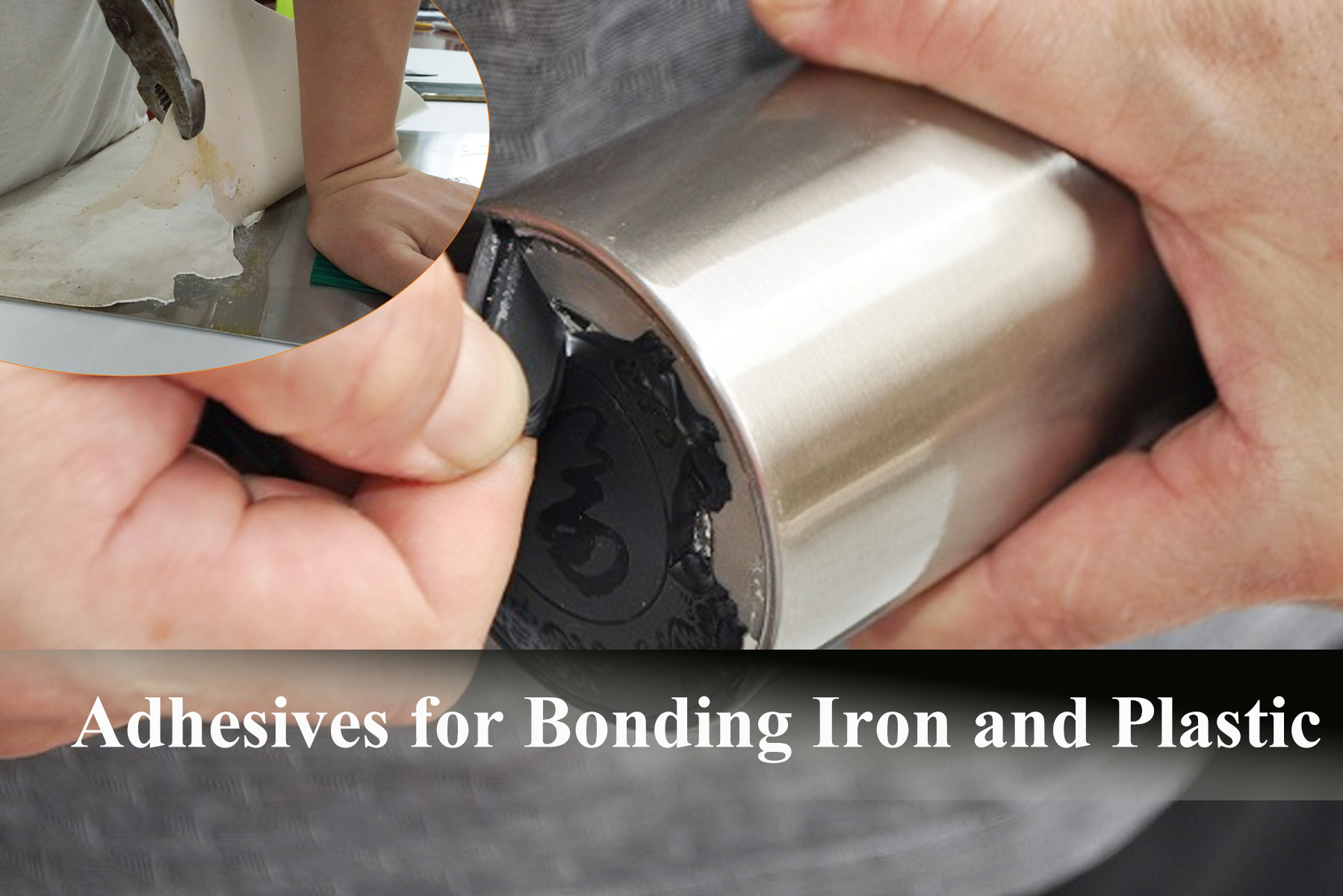
What Glue Bonds Iron to Plastic? How to Choose the Right Adhesive and Filling Machine– WEFILL
All the Lorem Ipsum generators on the Internet tend to repeat predefined chunks.