Articel Details
What Glue Bonds Iron to Plastic? How to Choose the Right Adhesive and Filling Machine– WEFILL
Struggling to bond iron to plastic? Learn how to choose the best glue based on plastic type, bond area size, and end-use environment. A practical guide by WEFILL.
09-05-26
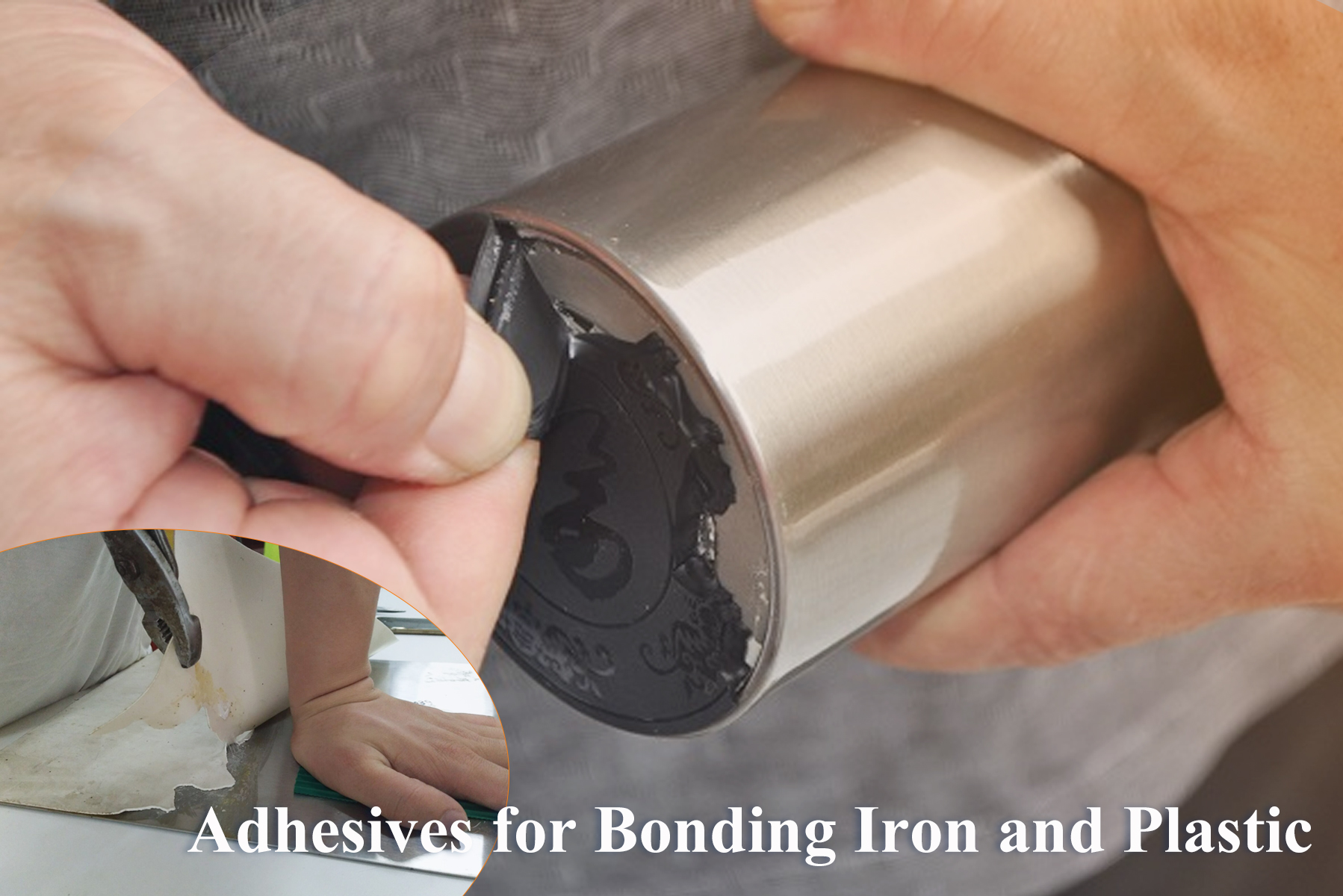
The Challenge: Bonding Iron to Plastic Isn’t Always Simple
If you’ve been asking “What glue bonds iron to plastic?”, you’ve probably noticed there’s no single easy answer. While many adhesives claim to work on both materials, choosing the wrong one can lead to weak bonds, material damage, or complete failure.
At WEFILL, we help engineers and DIYers make the right choice. The key lies in three main factors:
Type of plastic
Bonding area size
Service environment after bonding
Let’s break down each one.
1. Identify the Specific Plastic Type – This Matters More Than You Think
Not all plastics bond equally to iron. Some are easy; others are notoriously difficult.
✅ Easy-to-bond plastics:
ABS
PVC
EVA
PC
PS
For these, a solvent-based plastic-to-metal adhesive works extremely well. It provides high curing strength – often strong enough to break the plastic before the bond fails – while remaining flexible and tough after curing.
❌ Difficult-to-bond plastics:
PE (Polyethylene)
Nylon (PA)
POM (Acetal / Delrin)
These low-surface-energy plastics resist most common adhesives. If you’re bonding iron to PE or POM, you’ll need a specialized adhesive, often combined with a primer or surface treatment, to achieve acceptable strength.
WEFILL tip: Always identify your plastic first. Guessing leads to weak bonds.
2. Consider the Bonding Area Size – Speed vs. Working Time
The size of the iron-plastic contact area determines whether you need a fast-setting or slow-curing glue.
🔹 Large area bonding:
Requires longer open/working time to position and clamp parts
Choose a slow-curing plastic-to-metal adhesive (e.g., certain epoxies or modified acrylics)
🔹 Small area bonding:
Two common scenarios:
Both parts small → Fast positioning is critical
One small part + one large part → Also benefits from quick fixation
In both cases, use a plastic-to-metal instant adhesive (cyanocrylate-based). These bond most small plastics to iron within seconds.
For difficult plastics like PP, silicone, or PE, combine the instant adhesive with a matching primer/treatment – WEFILL offers solutions that significantly improve bond strength on tricky materials.
3. Evaluate the End-Use Environment – Don’t Ignore Long-Term Conditions
Each adhesive has pros and cons. A strong initial bond may fail later if the environment isn’t considered.
Common environmental limitations to watch for:
| Condition | Risk with some adhesives |
|---|---|
| High heat | Loss of strength, softening |
| Oil / grease exposure | Bond degradation |
| Solvent contact | Swelling or dissolution |
| Water / humidity | Gradual weakening |
| Sealing requirement | Poor edge sealing |
If your iron–plastic assembly will face heat, oil, or solvents, two-part epoxy or structural acrylic adhesives often perform better – though they may have longer cure times or lower flexibility.
There is no universal “best” adhesive. Match the glue’s properties to your actual working conditions.
Final Recommendation: How to Choose the Right Iron–Plastic Adhesive
To bond iron to plastic successfully:
Identify the plastic → Easy or difficult?
Measure the bond area → Large (need working time) or small (need quick set)?
Define the use environment → Heat? Oil? Solvents? Moisture?
Then cross-reference with this quick table:
| Plastic type | Bond area | Environment | Suggested glue type |
|---|---|---|---|
| ABS, PC, PVC | Small | Normal | Instant adhesive |
| ABS, PC, PVC | Large | Normal | Solvent-based metal-plastic glue |
| PE, Nylon, POM | Any | Normal | Instant adhesive + primer |
| Any plastic | Any | Heat / oil | Two-part epoxy or structural acrylic |
Why WEFILL?
At WEFILL, we specialize in adhesive solutions for challenging produce the filling machine of material combinations – including iron to plastic. Whether you need a fast-setting instant glue, a flexible solvent-based adhesive, or a heat-resistant epoxy, we can help you make the right choice.
Have a specific iron-to-plastic adhesive filling machine project? Contact WEFILL with your adhesive type and cartridges type and application details – we’ll recommend the exact adhesive filling machine you need.
.
Tags: glue for iron to plastic, glue filling machine for iron to plastic,plastic to metal adhesive filling machine, WEFILL bonding guide, best adhesive for difficult plastics, iron plastic bonding solution
Recent Blog Here
Related Articles
Articel
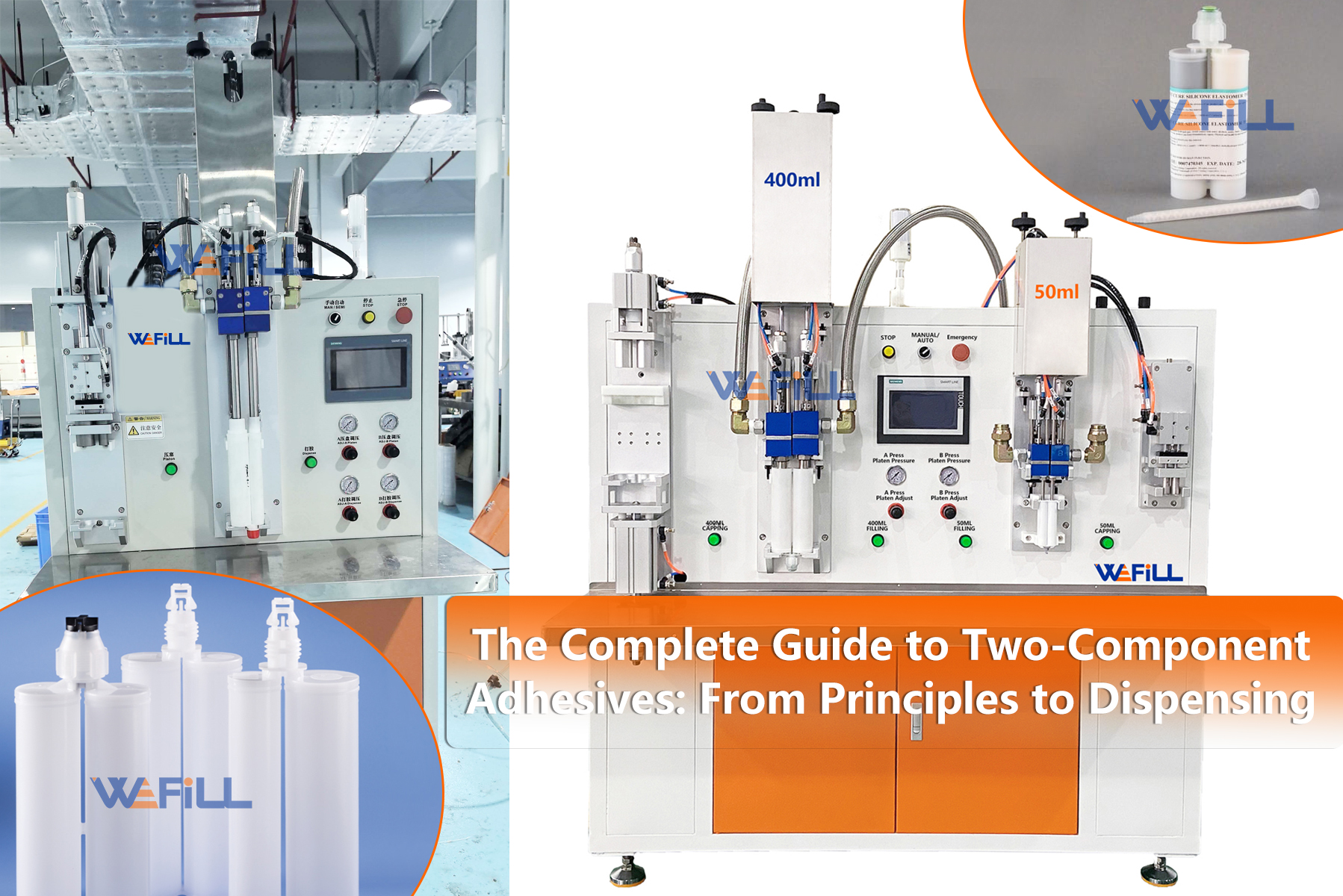
The Complete Guide to Two-Component Adhesives: From Principles to Dispensing
All the Lorem Ipsum generators on the Internet tend to repeat predefined chunks.
Articel
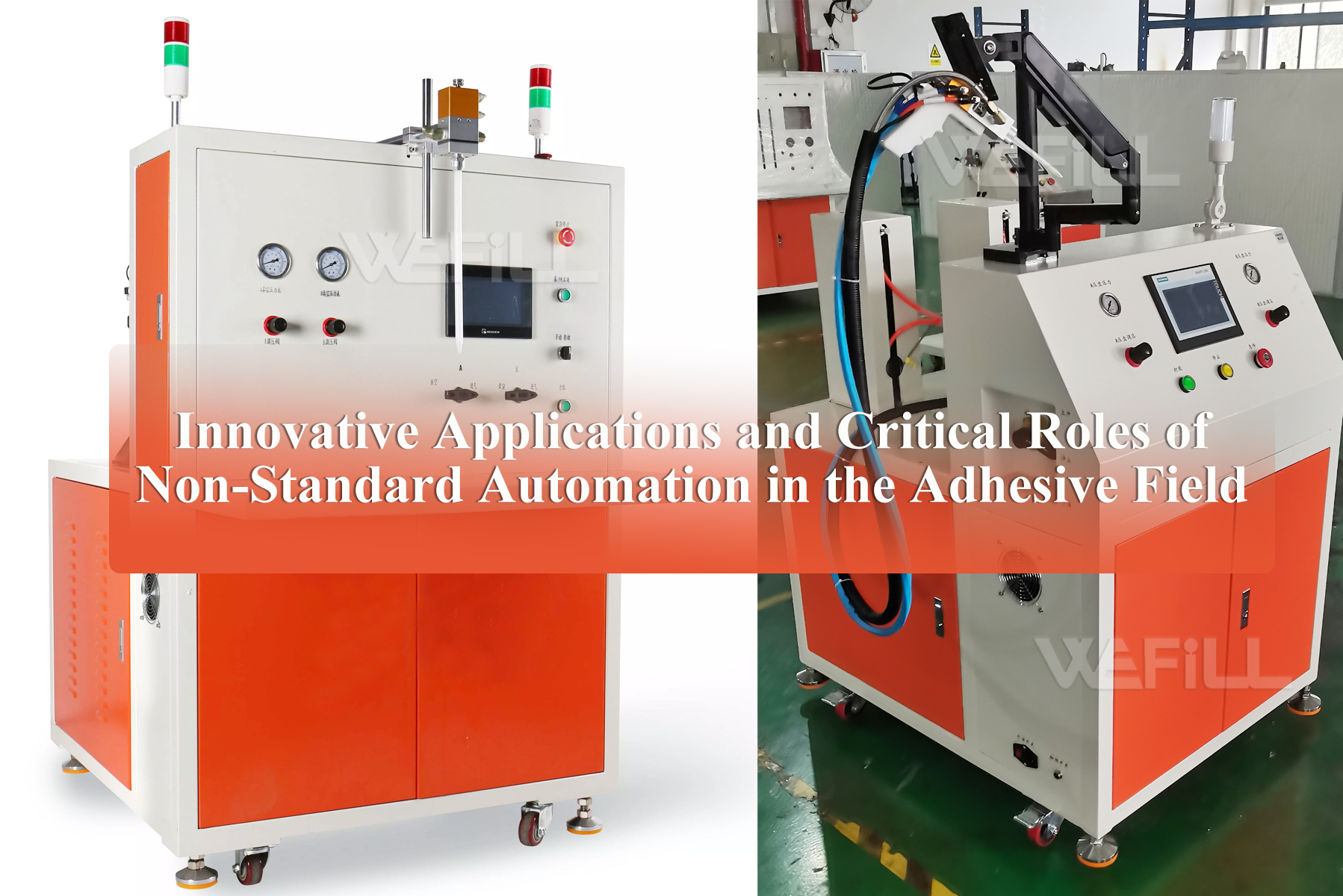
How Does Non-Standard Automation Revolutionize Adhesive Applications? — WEFILL's Future of Precision, Efficiency, and Intelligence
All the Lorem Ipsum generators on the Internet tend to repeat predefined chunks.
Articel
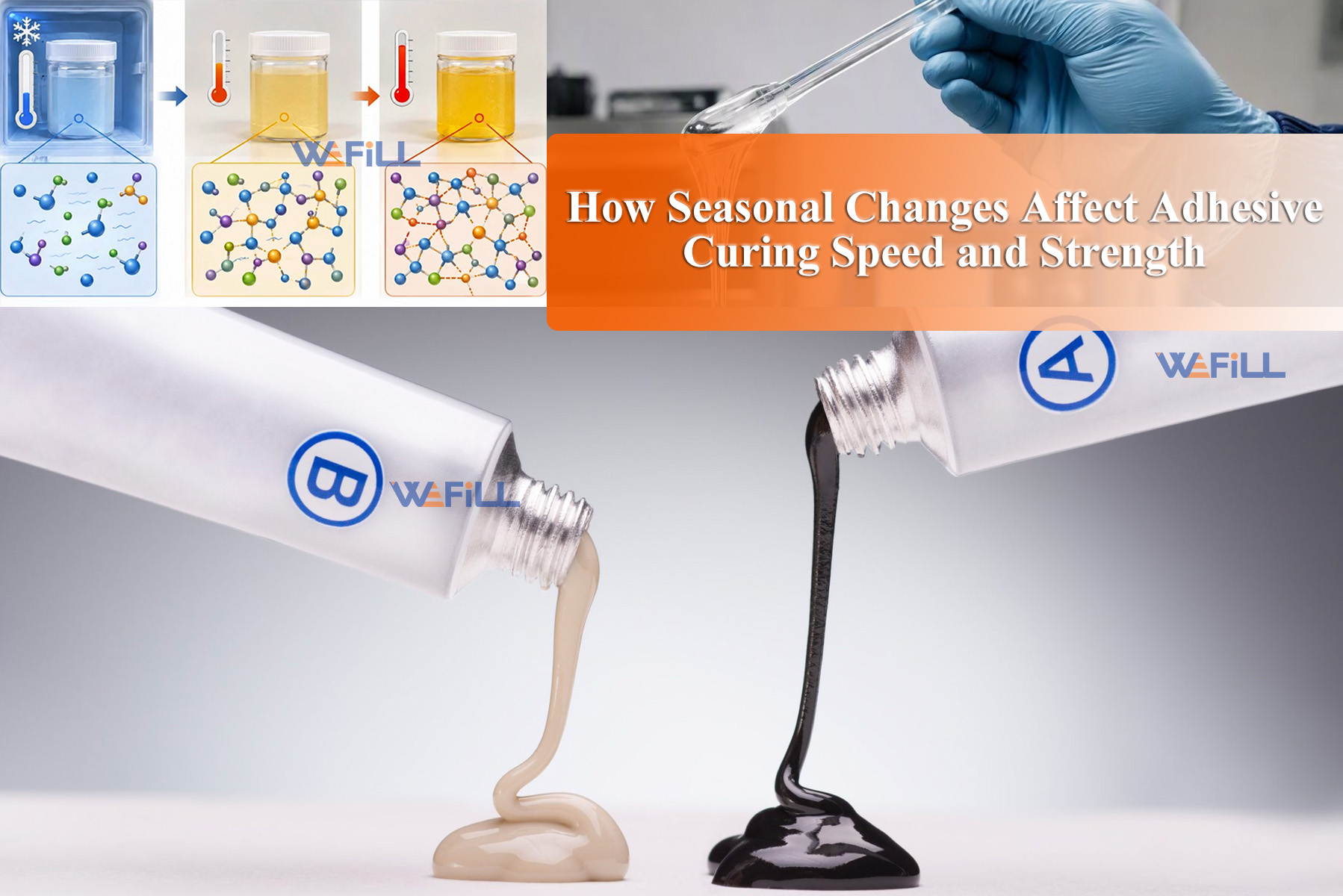
How Seasonal Changes Affect Adhesive Curing Speed and Strength
All the Lorem Ipsum generators on the Internet tend to repeat predefined chunks.
Articel
Large Platen AB Two-Component Adhesive Filling & Capping Machine: An Efficient and Precise Industrial Innovation
All the Lorem Ipsum generators on the Internet tend to repeat predefined chunks.

Articel
High-Performance Polyurethane Adhesives | Strength, Toughness & Sustainable Bonding Solutions
All the Lorem Ipsum generators on the Internet tend to repeat predefined chunks.