Articel Details
Thermal Conduction Warrior: The Complete Guide to Thermal Conductive Silicone
Discover how thermal conductive silicone improves heat dissipation, protects electronic components, and extends device life. Learn about its properties, applications, and future trends in our comprehe
18-05-26
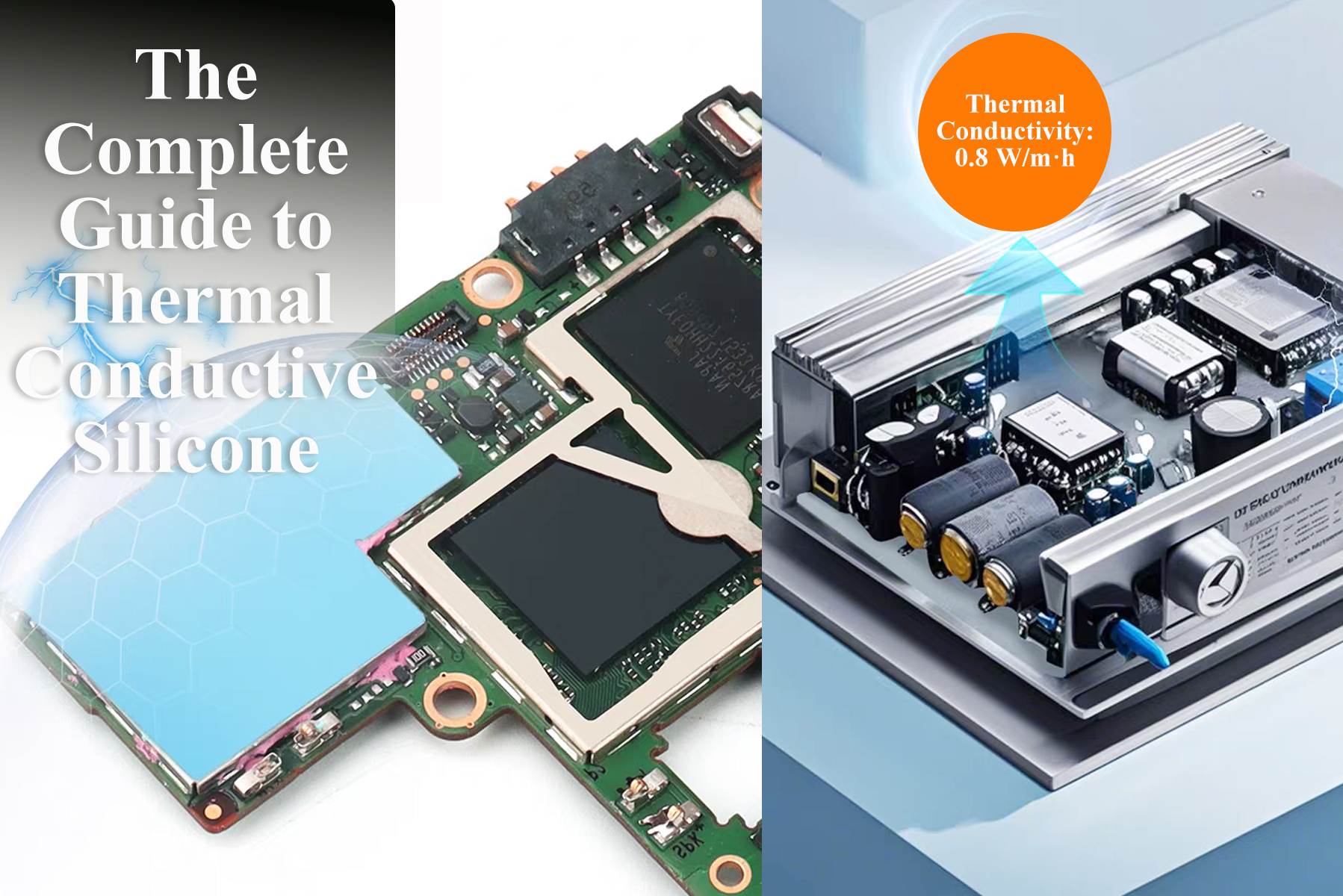
In the worlds of electronics manufacturing and industrial design, heat is the silent enemy. As devices become smaller and more powerful, managing heat has become a critical challenge. Enter thermal conductive silicone—a widely used thermal interface material that plays an essential role in improving heat dissipation, protecting sensitive components, and extending equipment lifespan.
In this comprehensive guide, we will explore the properties, applications, and working principles of thermal conductive silicone, highlighting its importance in modern technology.
1. Key Properties of Thermal Conductive Silicone
What makes thermal conductive silicone so effective? Several key characteristics set it apart from other materials.
High Thermal Conductivity
Thermal conductive silicone is engineered to efficiently transfer heat. It effectively conducts heat from one surface (like a CPU chip) to another (such as a heatsink or heat spreader), ensuring optimal cooling performance.
Excellent Electrical Insulation
Unlike many metals used for cooling, thermal conductive silicone typically provides superior electrical insulation. It prevents current flow, protecting electronic components from electrical shocks and electrostatic discharge (ESD).
Outstanding High-Temperature Resistance
This material maintains stable performance even in high-temperature environments. It resists flowing, evaporating, or degrading over time, making it ideal for long-term use in demanding applications.
Flexibility and Compressibility
Thermal conductive silicone is soft and elastic. It can fill microscopic gaps and irregularities between surfaces, maximizing the contact area and dramatically improving heat transfer efficiency.
2. Major Applications of Thermal Conductive Silicone
Because of its unique combination of heat transfer and protection, this material is used across multiple industries.
Electronics Cooling (PCs, Smartphones, Tablets)
In computers, phones, and tablets, thermal conductive silicone is widely applied to CPUs, GPUs, and other high-power components. By efficiently moving heat away from processors, it helps improve device performance and stability, preventing thermal throttling.
LED Lighting Heat Dissipation
High-power LED lamps generate significant heat during operation. Thermal conductive silicone acts as a thermal pad or adhesive, helping LED fixtures cool down effectively. This directly extends the working life of the lighting system.
Power Module and Power Electronics
In power supplies and industrial power electronics, thermal conductive silicone fills gaps between components and heatsinks. This increases heat dissipation and protects expensive modules from premature failure due to overheating.
Electronic Encapsulation and Sealing
Beyond heat transfer, thermal conductive silicone is also used for potting and sealing. It protects sensitive circuits from dust, moisture, and other environmental contaminants that could cause corrosion or short circuits.
3. How Thermal Conductive Silicone Works
The working principle of thermal conductive silicone is straightforward yet highly effective.
When applied to the surface of an electronic component, the material quickly conducts heat away from the heat source and transfers it to a heatsink, metal chassis, or other cooling surface. Once the heat reaches that larger surface, it is dissipated through convection, radiation, or forced airflow.
In simple terms, thermal conductive silicone acts as a heat bridge, filling the air gaps between two solid surfaces (since air is a very poor conductor of heat) and providing a low-resistance path for thermal energy.
4. Future Trends in Thermal Conductive Silicone
As electronic devices continue to increase in power density while shrinking in size, the demands on thermal materials are growing rapidly. Here is what we can expect in the coming years:
Even Higher Thermal Conductivity
Manufacturers will continue to optimize the formulation and filler structure of thermal conductive silicone, achieving higher thermal conductivity ratings to meet the needs of high-power, high-density electronics (such as AI processors and 5G infrastructure).
Eco-Friendly and Non-Toxic Materials
There is a clear push toward developing greener, non-toxic, and more sustainable thermal interface materials. Future products will comply with stricter environmental regulations and reduce negative ecological impacts.
Expanded Application Fields
Beyond consumer electronics, thermal conductive silicone is poised for growth in automotive electronics (EV batteries and power controllers), artificial intelligence servers, IoT sensors, and renewable energy systems. These new fields demand reliable, long-life cooling solutions.
Conclusion
Thermal conductive silicone is far more than just a simple paste or pad. It is a critical thermal interface material that enables modern electronics to run faster, cooler, and longer. With its excellent thermal conductivity, electrical insulation, high-temperature stability, and unique flexibility, it provides efficient and reliable heat dissipation for a wide range of applications—from smartphones and LEDs to industrial power modules.
As technology continues to advance and heat management becomes even more challenging, thermal conductive silicone will play an increasingly vital role. It offers a dependable solution for the heat dissipation problems faced by virtually all modern electronic devices.
We at WEFILL have extensive experience in designing and manufacturing assembly and dispensing equipment for thermal conductive silicone. If you are looking for reliable, professional, and comprehensive technical support for your thermal interface material production or application, please contact WEFILL today.
Need help with thermal conductive silicone dispensing or assembly machines? [Contact WEFILL] – your trusted partner in thermal management solutions.
Recent Blog Here
Related Articles
Articel
The Complete Guide to Two-Component Adhesives: From Principles to Dispensing
All the Lorem Ipsum generators on the Internet tend to repeat predefined chunks.

Articel
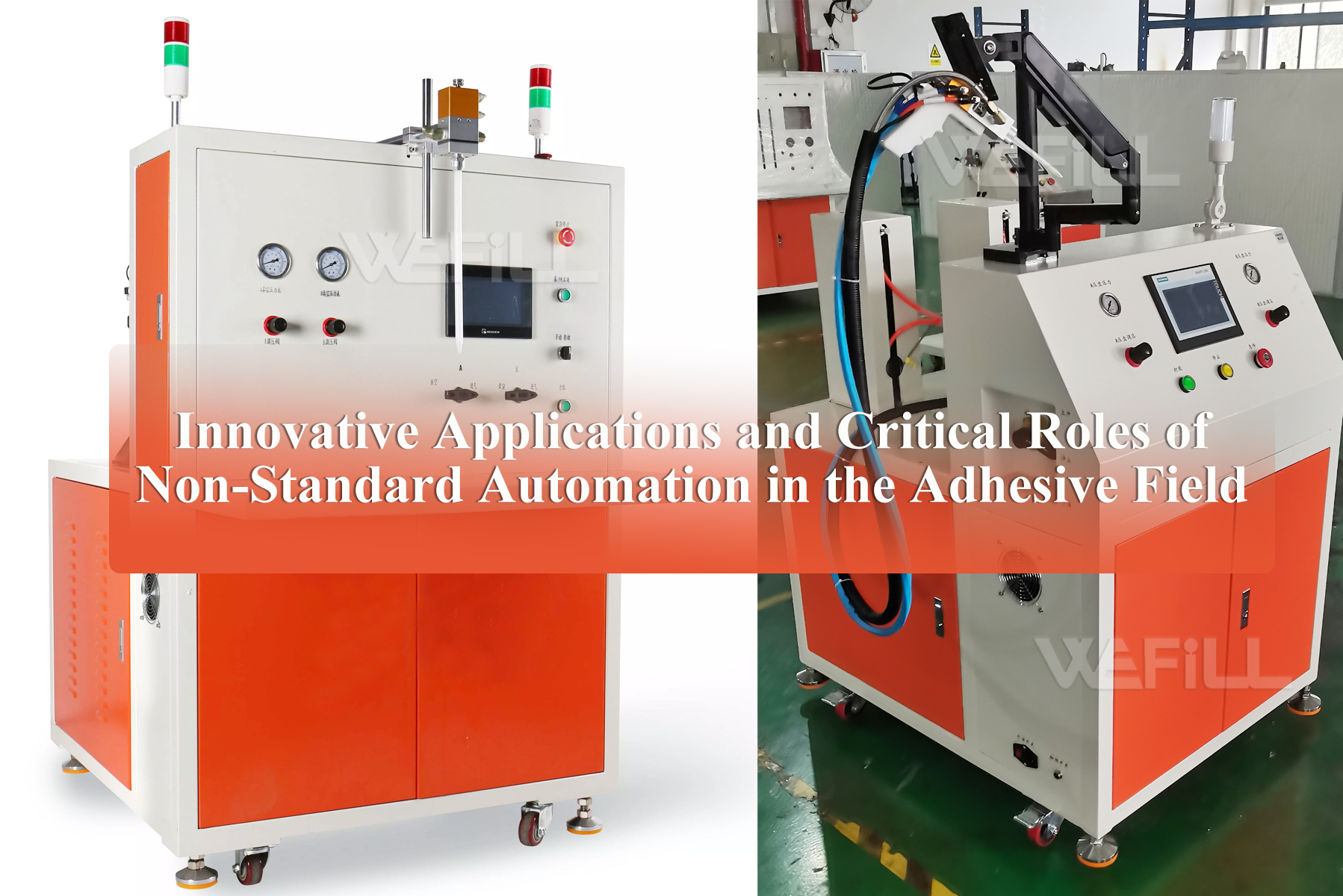
How Does Non-Standard Automation Revolutionize Adhesive Applications? — WEFILL's Future of Precision, Efficiency, and Intelligence
All the Lorem Ipsum generators on the Internet tend to repeat predefined chunks.
Articel
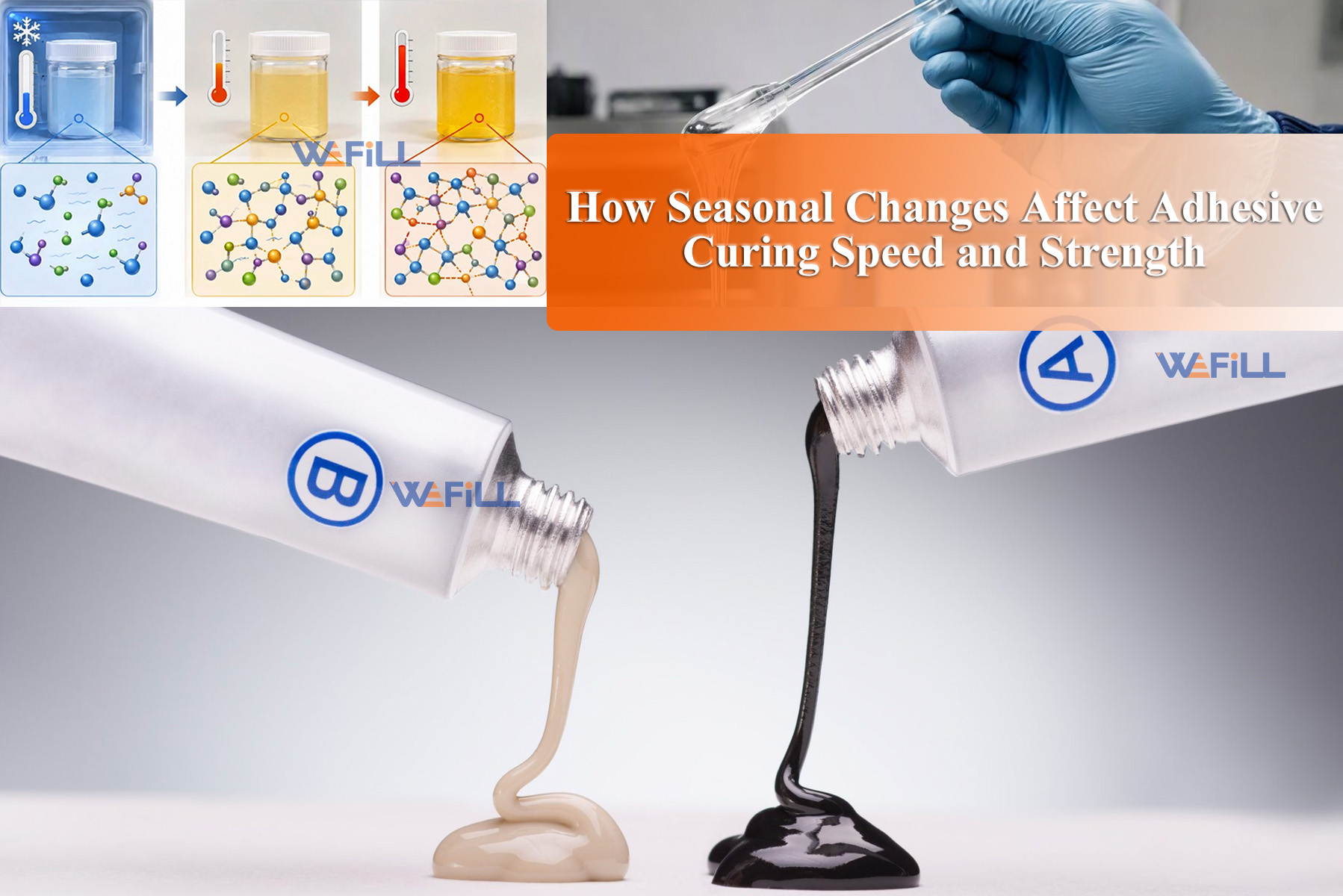
How Seasonal Changes Affect Adhesive Curing Speed and Strength
All the Lorem Ipsum generators on the Internet tend to repeat predefined chunks.
Articel
Large Platen AB Two-Component Adhesive Filling & Capping Machine: An Efficient and Precise Industrial Innovation
All the Lorem Ipsum generators on the Internet tend to repeat predefined chunks.

Articel
High-Performance Polyurethane Adhesives | Strength, Toughness & Sustainable Bonding Solutions
All the Lorem Ipsum generators on the Internet tend to repeat predefined chunks.