Articel Details
Say Goodbye to Manual Methods, Embrace Precision: How Single-Component Adhesive Filling Machines Are Reshaping Modern Production Lines
This blog explains how single-component filling machines work, their key advantages, and applications in electronics, automotive, and medical device manufacturing. Read more at WEFILL TECH
11-08-26

Say Goodbye to Manual Methods, Embrace Precision: How Single-Component Adhesive Filling Machines Are Reshaping Modern Production Lines
In the relentless pursuit of efficiency and precision that defines modern manufacturing, every detail counts. This is particularly true in applications demanding exact adhesive dispensing. Traditional manual or semi-automatic methods are increasingly becoming a bottleneck for production capacity and quality. They are not only inefficient but also struggle to guarantee consistent and precise adhesive application with every cycle. The resulting material waste and quality risks are amplified dramatically in high-volume production.
The introduction of the single-component adhesive filling machine offers the ideal solution to this challenge. This is not merely an equipment upgrade; it's a pivotal step in transforming a process reliant on "craftsmanship" into a stable, efficient "standardized industrial procedure."
How the Filling Machine Works: Achieving Precision and Efficiency
At its core, a single-component adhesive filling machine's mission is to dispense a single-component adhesive into a designated container or onto a workpiece in a controlled and precise manner. To achieve this, the equipment typically operates through the coordinated work of a material barrel, pressure system, control system, and dispensing valve.
Material Supply & Conveyance: The adhesive is usually stored in a dedicated material barrel. For high-viscosity or filled adhesives, the equipment uses a pressure plate that applies force to smoothly push the material out of the barrel. To accommodate the unique physical properties of different adhesives (like viscosity or flow characteristics), the system can be equipped with various pumps such as screw pumps, gear pumps, or piston pumps to ensure stable and precise material delivery.
Core Control: The control system, often featuring a Siemens PLC with an HMI (Human-Machine Interface), serves as the machine's brain. Operators can set key parameters here, including fill volume, speed, and timing. This programmability allows the equipment to easily adapt to different adhesive types and filling requirements, making changeovers quick and simple.
Precision Execution: The ultimate accuracy and repeatability are guaranteed by the precise dispensing valve and metering system. Whether it's piston metering for low-viscosity materials or more advanced positive displacement metering for critical applications, each dispensing cycle is highly consistent, minimizing volume errors significantly.
Embracing Automation: Clear Advantages and Transformations
The benefits of switching to a single-component adhesive filling machine over traditional methods are revolutionary:
Precision & Repeatability: Automation eliminates the uncertainty of human operation, ensuring that every one of thousands of filling cycles is identical. Every product receives the exact same amount of adhesive, fundamentally guaranteeing consistent bonding quality.
Increased Efficiency: Filling speeds can easily reach dozens of units per minute, dramatically boosting production efficiency and eliminating bottlenecks for high-volume, continuous manufacturing.
Broad Adaptability: Modern filling machines are highly versatile in material handling. From low-viscosity UV-curable adhesives and lubricants to high-viscosity pastes like silicones and thermal gels, the equipment can manage a wide range of materials by simply adjusting parameters or changing the supply system.
Cleanliness & Maintenance: Equipment design often prioritizes ease of cleaning and maintenance. For example, some models handling 2600ml bulk packaging can change containers without cleaning the system, significantly reducing downtime and maintenance costs.
Applications Across Industries
Leveraging these advantages, single-component adhesive filling machines have become indispensable across numerous industries. In electronics manufacturing, they are used for chip encapsulation and display bonding; in the automotive industry, for component sealing and headlamp assembly; and in medical device manufacturing, for assembling precision instruments like syringes. Their applications are also widespread in packaging, construction, and any process requiring bonding, sealing, or coating.
From "Material" to "Standard": The Value Proposition of WEFILL TECH
As specialized equipment manufacturers like WEFILL TECH demonstrate, their single-component filling solutions deliver core value by upgrading single-component adhesives from a manually-applied "material" into a stable, efficient "standardized industrial product."
By offering high-precision metering, automated processes, and specialized material supply systems tailored to different material characteristics, they resolve the key pain points of traditional methods: poor precision, low efficiency, and inconsistent quality. This allows the adhesive's inherent superior physical properties to be fully and reliably utilized in modern manufacturing environments, ultimately enhancing the production of everything from electronic components to large structural assemblies.
For manufacturers seeking to improve production line efficiency, reduce defect rates, and maintain a competitive edge, investing in a suitable single-component adhesive filling system is becoming a critical strategic decision.
To learn more about specific technical parameters and find a customized solution for your needs, please click the link below.
Explore WEFILL TECH's Single-Component Filling Equipment in Depth:
https://www.wefilltec.com/single-component-filling-capping-machine
Recent Blog Here
Related Articles
Articel
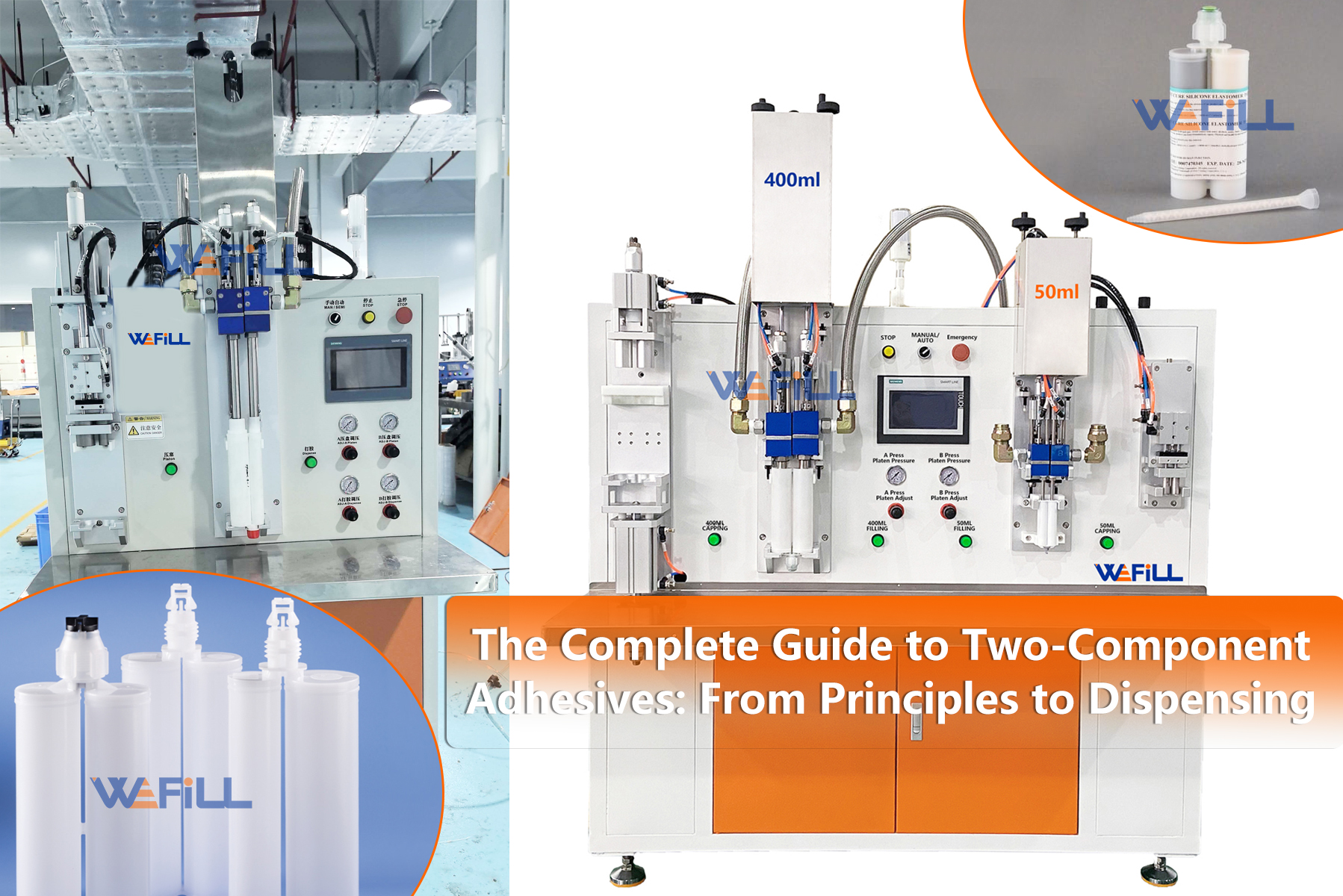
The Complete Guide to Two-Component Adhesives: From Principles to Dispensing
All the Lorem Ipsum generators on the Internet tend to repeat predefined chunks.
Articel
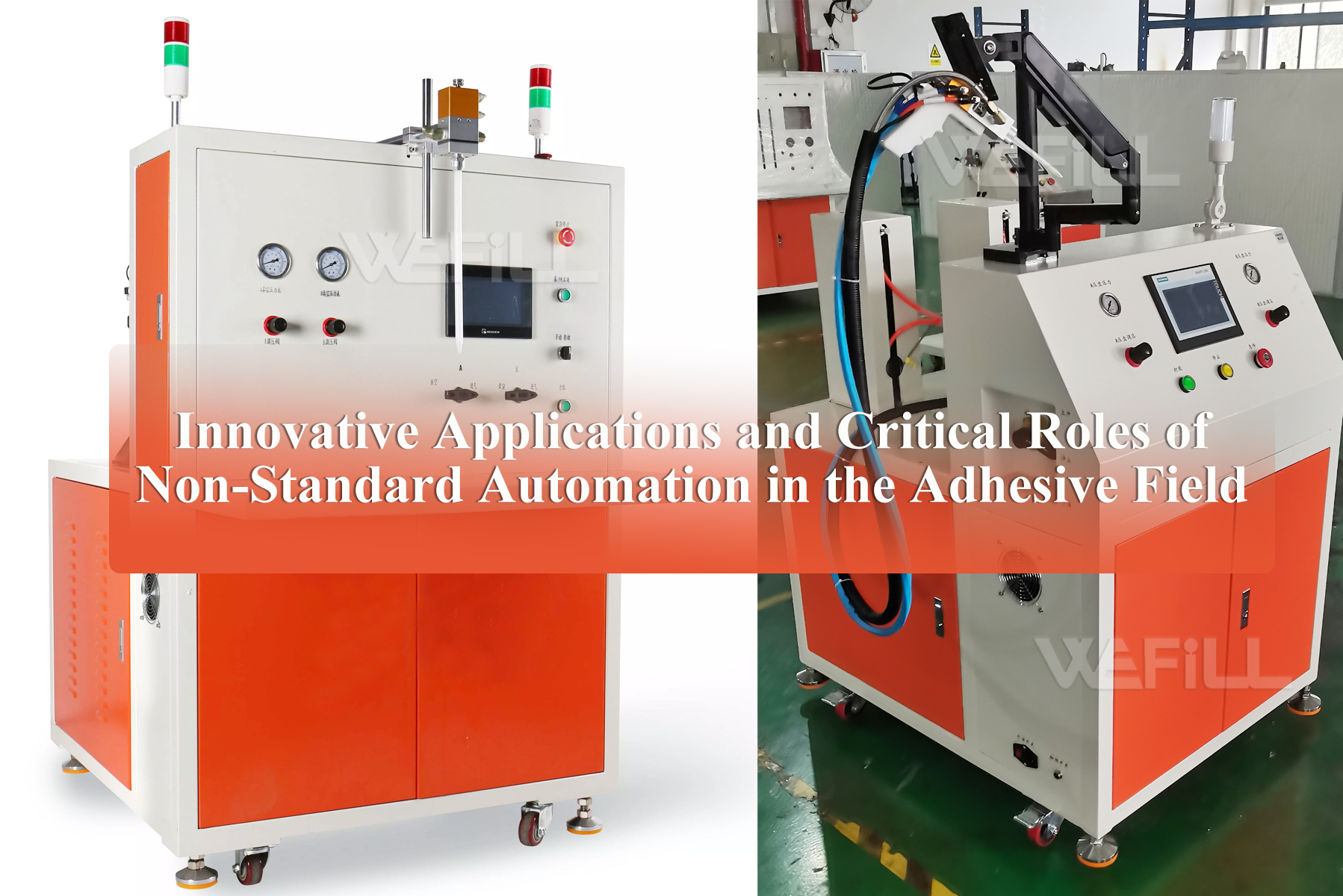
How Does Non-Standard Automation Revolutionize Adhesive Applications? — WEFILL's Future of Precision, Efficiency, and Intelligence
All the Lorem Ipsum generators on the Internet tend to repeat predefined chunks.
Articel
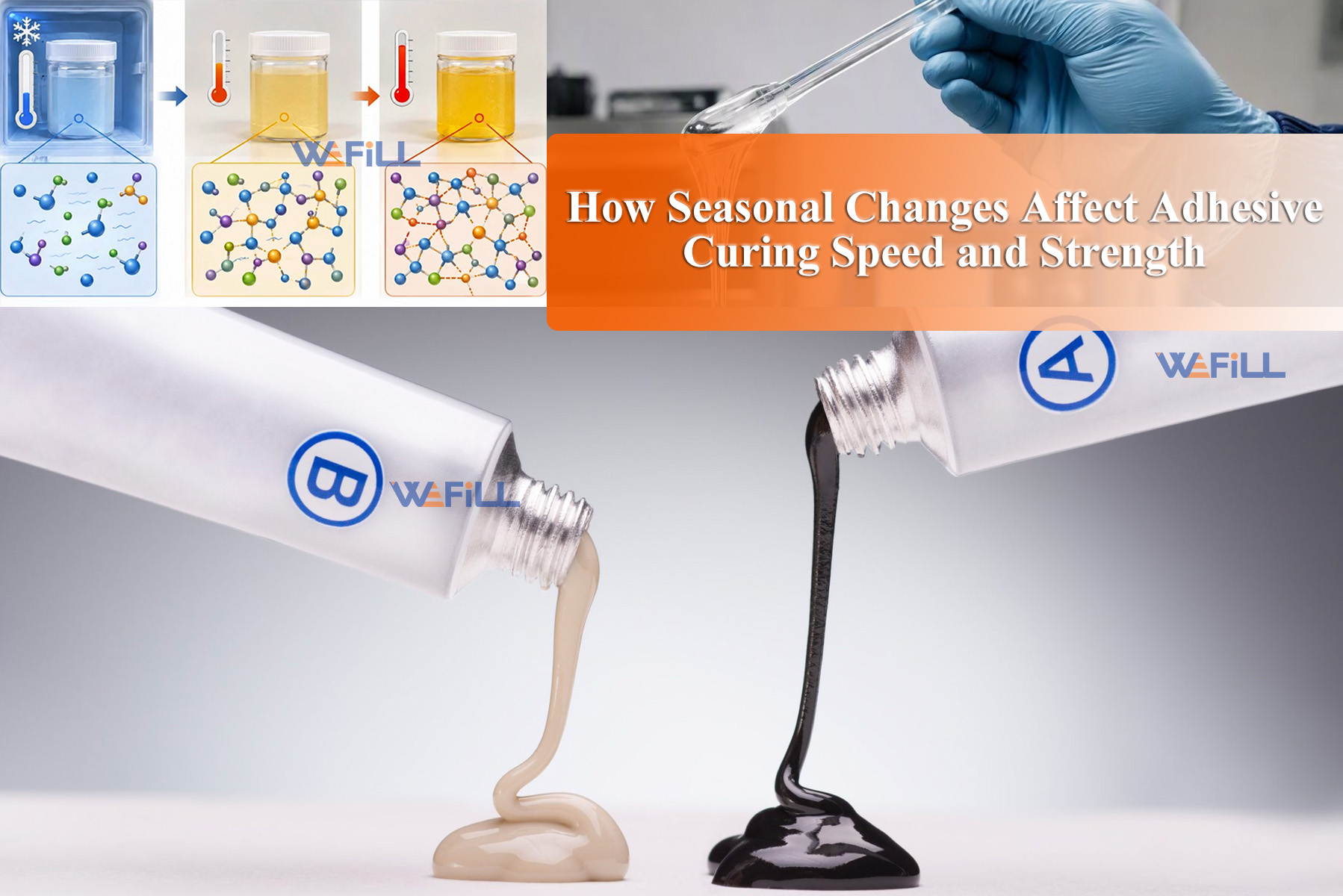
How Seasonal Changes Affect Adhesive Curing Speed and Strength
All the Lorem Ipsum generators on the Internet tend to repeat predefined chunks.
Articel
Large Platen AB Two-Component Adhesive Filling & Capping Machine: An Efficient and Precise Industrial Innovation
All the Lorem Ipsum generators on the Internet tend to repeat predefined chunks.

Articel
High-Performance Polyurethane Adhesives | Strength, Toughness & Sustainable Bonding Solutions
All the Lorem Ipsum generators on the Internet tend to repeat predefined chunks.