Articel Details
What Is the Best Glue for Metal to Metal Bonding? A Complete Guide
Looking for the best glue for metal to metal bonding? Compare instant glue vs. epoxy, learn application tips, and discover how modern adhesives can outperform welding. Read our complete guide.WEFILL
29-04-26
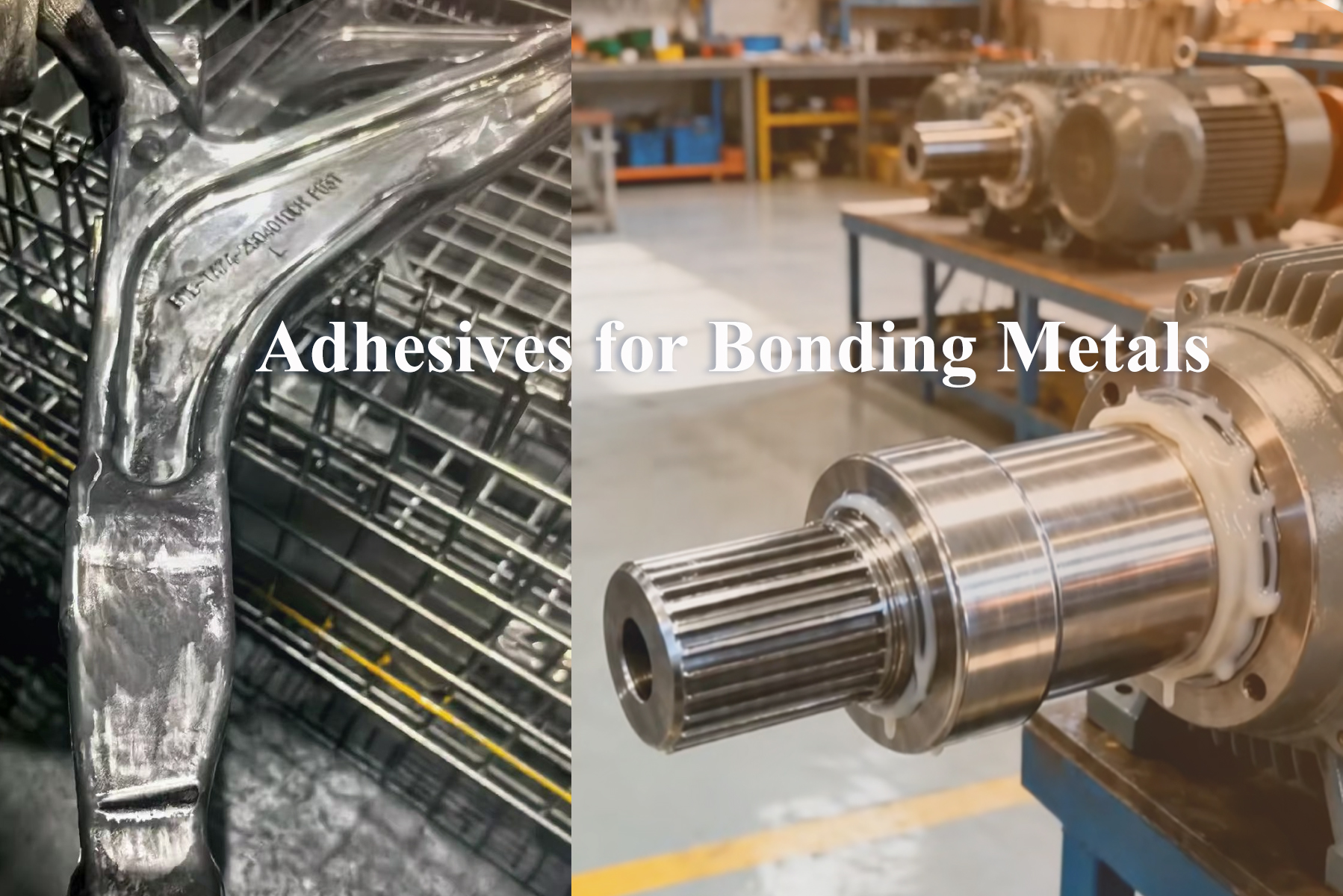 When it comes to bonding metal surfaces, choosing the right adhesive can make all the difference. Whether you're working on a DIY project, repairing household items, or handling industrial applications, modern adhesives have evolved to offer strong, durable, and even superior alternatives to traditional welding. In fact, some metal adhesives are so powerful that they can hold train carriages together during transport.
Our WEFILL guide will walk you through the best glues for metal, how to choose the right one, and key tips for achieving a long-lasting bond.
Why Use Glue Instead of Welding for Metal?
Traditionally, welding was the go-to method for joining metal parts. However, adhesives now offer several advantages:
No heat or special equipment required – Avoid warping or weakening thin metals.
Faster application – Some glues set in seconds.
Stress distribution – Adhesives spread load across the entire bond line, reducing weak points.
Corrosion protection – Many adhesives seal out moisture, preventing rust.
With the right glue, metal bonding can be stronger, cleaner, and more convenient than welding.
Best Types of Glue for Metal Bonding
There are several high-performance adhesives for metal, but two stand out: cyanoacrylate (instant glue) and two-part epoxy.
1. Cyanoacrylate (Instant Glue / Super Glue)
Best for: Small, tight-fitting metal parts that need fast bonding.
Setting time: 10–60 seconds for initial bond
Full strength: 24 hours
Strength: Good for small areas without gaps
Example use: Jewelry repair, small brackets, hobby models
How to use: Apply a small drop to one clean metal surface, press parts together firmly, and hold for 30 seconds.
Note: Instant glue works best when metal surfaces fit together with no gaps. Large gaps reduce bond strength.
2. Two-Part Epoxy Adhesive
Best for: Strong, durable, gap-filling bonds on metal.
Setting time: 5–30 minutes depending on formula
Full cure: 12–24 hours
Strength: Extremely high – often stronger than welding for certain applications
Example use: Automotive repairs, metal fabrication, heavy-duty household fixes
Epoxy consists of a resin and a hardener that must be mixed before use. Once cured, it creates a rigid, heat-resistant, and chemical-resistant bond.
How to Choose the Right Metal Glue
| Requirement | Recommended Adhesive |
|---|---|
| Fast bond (seconds) | Cyanoacrylate (instant glue) |
| Maximum strength | Two-part epoxy |
| Flexible bond | Polyurethane adhesive |
| High temperature resistance | Epoxy or specialty acrylics |
| Gap filling | Epoxy (thicker formulas) |
For most general metal-to-metal bonding, epoxy provides the strongest and most reliable result. Use instant glue only for small, precise, gap-free joints.
Step-by-Step Application Tips for Strong Metal Bonding
To get the best results, follow these professional guidelines:
1. Clean the Surface Thoroughly
Metal surfaces must be free of:
Dirt, dust, and grease
Oil, lubricants, or rust inhibitors
Old adhesives or coatings
Use isopropyl alcohol or acetone and a clean cloth for degreasing.
2. Roughen the Surface (Optional but Recommended)
Lightly sand or abrade the bonding area with fine-grit sandpaper (120–220 grit) or perform sandblasting. This increases surface area and improves mechanical grip.
3. Remove Any Release Agents
Some metals (especially galvanized or coated ones) have a thin layer of oil or powder. Wipe away any talc, wax, or residue.
4. Apply Adhesive Sparingly
For instant glue: Apply 1–2 small drops per square inch.
For epoxy: Mix according to instructions, then apply a thin, even layer to both surfaces.
Avoid over-application – excess glue can weaken the bond.
5. Assemble and Hold
Press parts together immediately. Apply light, even pressure.
For instant glue: Hold 30–60 seconds.
For epoxy: Clamp or tape parts for the recommended setting time.
6. Allow Full Cure
Do not stress the joint until the adhesive has fully cured.
Instant glue: 24 hours for maximum strength.
Epoxy: 12–24 hours depending on formula.
Pro tip: Warmer temperatures (20–25°C / 68–77°F) speed up curing. Avoid cold or humid conditions.
Common Mistakes to Avoid
❌ Bonding oily or dirty metal – Cleanliness is critical.
❌ Using instant glue on rough or gapped surfaces – It won’t fill gaps.
❌ Moving parts before initial set – This breaks the bond as it forms.
❌ Applying too much adhesive – This creates a weak, thick layer.
❌ Skipping surface abrasion – A smooth metal surface is harder to bond.
Final Verdict: What’s the Strongest Glue for Metal?
For speed and small parts: Cyanoacrylate (instant glue) – sets in seconds.
For maximum strength, durability, and gap filling: Two-part epoxy – the clear winner for most metal bonding tasks.
Whether you’re fixing a broken tool, building a metal frame, or repairing automotive parts, choosing the right adhesive and preparing the surface properly will give you a bond that often exceeds the strength of welding.
Need Professional Advice?
If you're unsure which adhesive suits your specific metal type (steel, aluminum, copper, etc.) or application environment (heat, moisture, vibration), consult the adhesive manufacturer’s technical datasheet or speak with an industrial adhesive specialist.
Looking for the best glue for metal to metal bonding? Compare instant glue vs. epoxy, learn application tips, and discover how modern adhesives can outperform welding. Read our complete guide.
Applying two-part epoxy glue to clean metal surfaces for strong permanent bond
Recent Blog Here
Related Articles
Articel
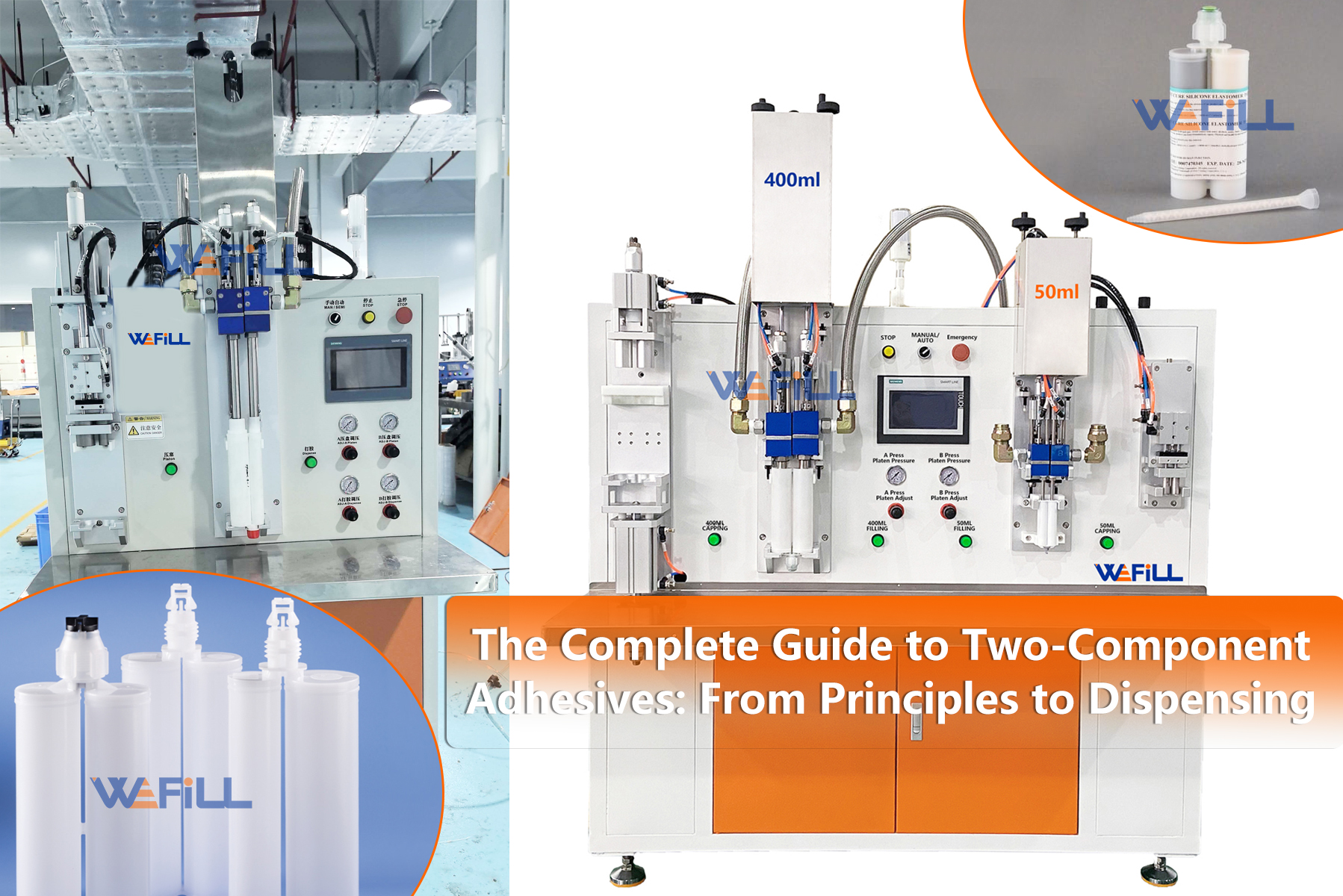
The Complete Guide to Two-Component Adhesives: From Principles to Dispensing
All the Lorem Ipsum generators on the Internet tend to repeat predefined chunks.
Articel
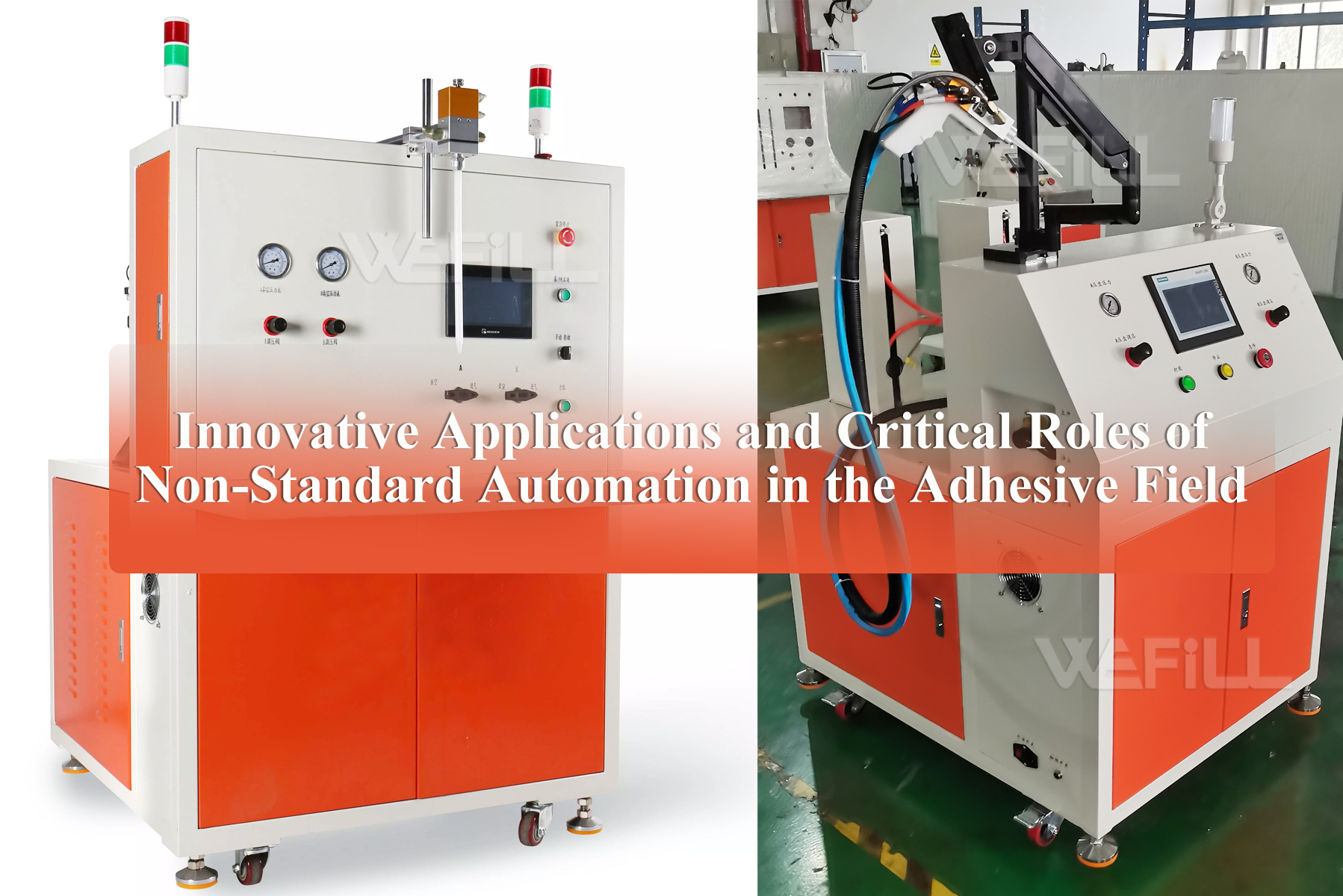
How Does Non-Standard Automation Revolutionize Adhesive Applications? — WEFILL's Future of Precision, Efficiency, and Intelligence
All the Lorem Ipsum generators on the Internet tend to repeat predefined chunks.
Articel
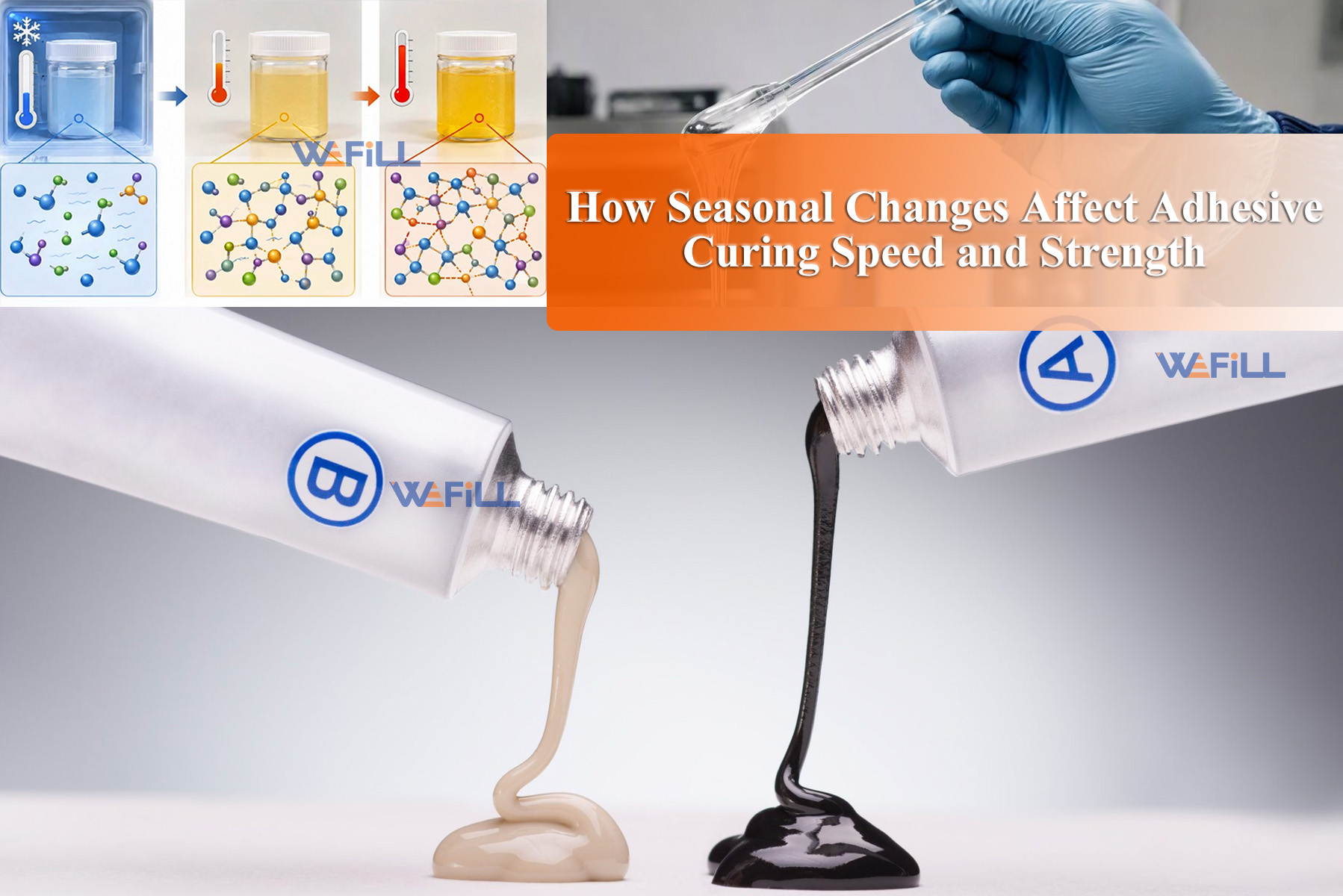
How Seasonal Changes Affect Adhesive Curing Speed and Strength
All the Lorem Ipsum generators on the Internet tend to repeat predefined chunks.
Articel
Large Platen AB Two-Component Adhesive Filling & Capping Machine: An Efficient and Precise Industrial Innovation
All the Lorem Ipsum generators on the Internet tend to repeat predefined chunks.

Articel
High-Performance Polyurethane Adhesives | Strength, Toughness & Sustainable Bonding Solutions
All the Lorem Ipsum generators on the Internet tend to repeat predefined chunks.