Articel Details
Acrylic Acid: From Industrial Cornerstone to Everyday Essential – How This Versatile Molecule Shapes Our World
Explore the versatile applications of acrylic acid in industry and daily life. Learn about our PTFE/SUS316 filling machine solution for safe, leak-free adhesive packaging. Download technical specs.
17-08-26

Acrylic Acid: From Industrial Cornerstone to Everyday Essential – How This Versatile Molecule Shapes Our World
In the vast and intricate world of chemistry, certain molecules stand out not for their rarity, but for their extraordinary versatility and profound impact on our daily lives. Acrylic acid is one such compound. It may not be as precious as gold or as fragrant as perfume, but it acts as a silent builder, underpinning countless aspects of modern civilization.
Today, let's step into the fascinating world of acrylic acid and explore how this seemingly simple liquid has become an indispensable pillar of both industry and everyday life.
The "Tough" Identity of a Clear Liquid
In its pure form, acrylic acid is a colorless, transparent liquid with a pungent, acrid odor. Its molecular formula is C₃H₄O₂ (note: this is the monomer; the "acrylic resins" we often hear about are the polymers formed from these units). Its structure features a reactive carbon-carbon double bond alongside a carboxylic acid group (–COOH).
This dual functionality gives acrylic acid its remarkable chemical reactivity. Industrially, it is produced primarily through the catalytic oxidation of propylene. You can think of the reactor as a massive wok, with propylene and oxygen as the ingredients, and the catalyst as the master chef. The catalyst lowers the activation energy barrier, allowing the reaction to proceed efficiently at relatively mild temperatures—turning raw petroleum derivatives into this essential building block.
A Ubiquitous Presence: From Home to Hospital
If you think acrylic acid is remote from your life, think again. In reality, you are surrounded by its "descendants" every single day.
In Architecture and Home Decor: The vibrant, washable latex paint on your walls? It likely contains acrylic resin. The crystal-clear, lightweight acrylic bathtub or the illuminated advertising signboards on city streets? Their primary material is poly(methyl methacrylate) (PMMA), a famous acrylic polymer.
In Textiles and Fashion: The soft, durable, and fade-resistant T-shirt in your wardrobe may contain acrylic ester fibers. These fibers are valued for their excellent lightfastness and wool-like feel, keeping colors bright even after prolonged sun exposure.
In Healthcare and Medicine: Thanks to its good biocompatibility, acrylic acid derivatives are used to manufacture soft contact lenses and even artificial bone cements, quietly contributing to human health and well-being.
From paints and coatings to adhesives, textiles, and electronics, acrylic acid serves as the "bedrock" of a vast industrial ecosystem.
The Hidden Challenge: Taming a Corrosive Nature
However, behind all these benefits lies a "tricky" characteristic that keeps production engineers on their toes—acrylic acid is highly corrosive, especially when formulated into adhesives. When filling and packaging acrylic-based adhesives (particularly two-component systems), ordinary equipment can quickly fall victim to attack.
Conventional rubber seals tend to swell and degrade upon contact with acrylic monomers, while standard stainless steel can suffer from pitting corrosion over time. The consequences? Leakage, contamination, costly downtime, and compromised product quality.
This is where specialized engineering becomes critical.
The Solution: Corrosion-Proof Equipment for Precision Filling
To effectively tame this "aggressive" fluid, our semi-automatic two-component filling machine has been specifically engineered for acrylic acid and similar corrosive media. The design philosophy is simple: eliminate the weak points.
Upgraded Sealing System: The pump's sealing rings are crafted from PTFE (Teflon®) . Unlike conventional rubber, PTFE is chemically inert and resistant to virtually all solvents, ensuring a leak-proof seal even under repeated mechanical cycling.
Premium Metallurgy: Every component that comes into direct contact with the material—from the pump body to the valves—is constructed from SUS316 stainless steel. The addition of molybdenum gives 316-grade steel superior resistance to pitting and crevice corrosion caused by acidic media, far outperforming standard 304 stainless steel.
Real-World Validation: This filling solution has undergone rigorous production testing with three independent clients across different application scenarios. The results consistently confirm its operational reliability, with zero leakage incidents and maintained dosing accuracy over extended production runs.
In the pursuit of manufacturing efficiency, investing in the right equipment is far more cost-effective than repeatedly repairing a "compromised" one.
Looking Ahead: Towards Greener Horizons
Of course, the scientific journey of acrylic acid is far from over. Researchers worldwide are actively exploring more sustainable production routes, such as bio-based feedstocks and greener catalytic processes. Just as farmers seek water-saving irrigation, chemists are striving to reduce energy consumption and emissions in acrylic acid manufacturing, pushing the industry toward a more environmentally responsible future.
Conclusion
Acrylic acid is more than just a chemical intermediate; it is a testament to human ingenuity. From the walls of our homes to the lenses in our eyes, from durable automotive coatings to advanced medical devices, its influence is as broad as it is deep. As technology continues to evolve, this remarkable molecule will undoubtedly unlock even more possibilities, helping to build a stronger, brighter, and more sustainable world.
If you are facing challenges with filling corrosive acrylic-based adhesives and would like to learn more about our proven semi-automatic two-component filling solution, please feel free to click the link below to request our technical data sheets and case studies. Our engineering team is ready to assist you.
Keywords:#Acrylic Acid #Acrylic Acid Applications #Acrylic Acid Filling Machine #Corrosion-Resistant Filling Equipment #What is acrylic acid used for #How to fill acrylic adhesive safely #Acrylic acid corrosion on pump seals #PTFE seals for chemical filling machines #Two-component adhesive filling solution #Acrylic acid production process #Semi-automatic filling machine #Dual-component metering pump #316L stainless steel wetted parts #Corrosive liquid filling system #Case study: acrylic filling success #PMMA (acrylic sheet) production #Acrylic adhesives manufacturing #Medical grade acrylic materials #Acrylic fibers for textiles
Related Products
https://www.wefilltec.com/ab-two-component-filling-and-capping-machine
https://www.wefilltec.com/filling-dispensing-capping-machine
https://www.wefilltec.com/fully-automatic-filling-capping-labeling-line
Recent Blog Here
Related Articles
Articel
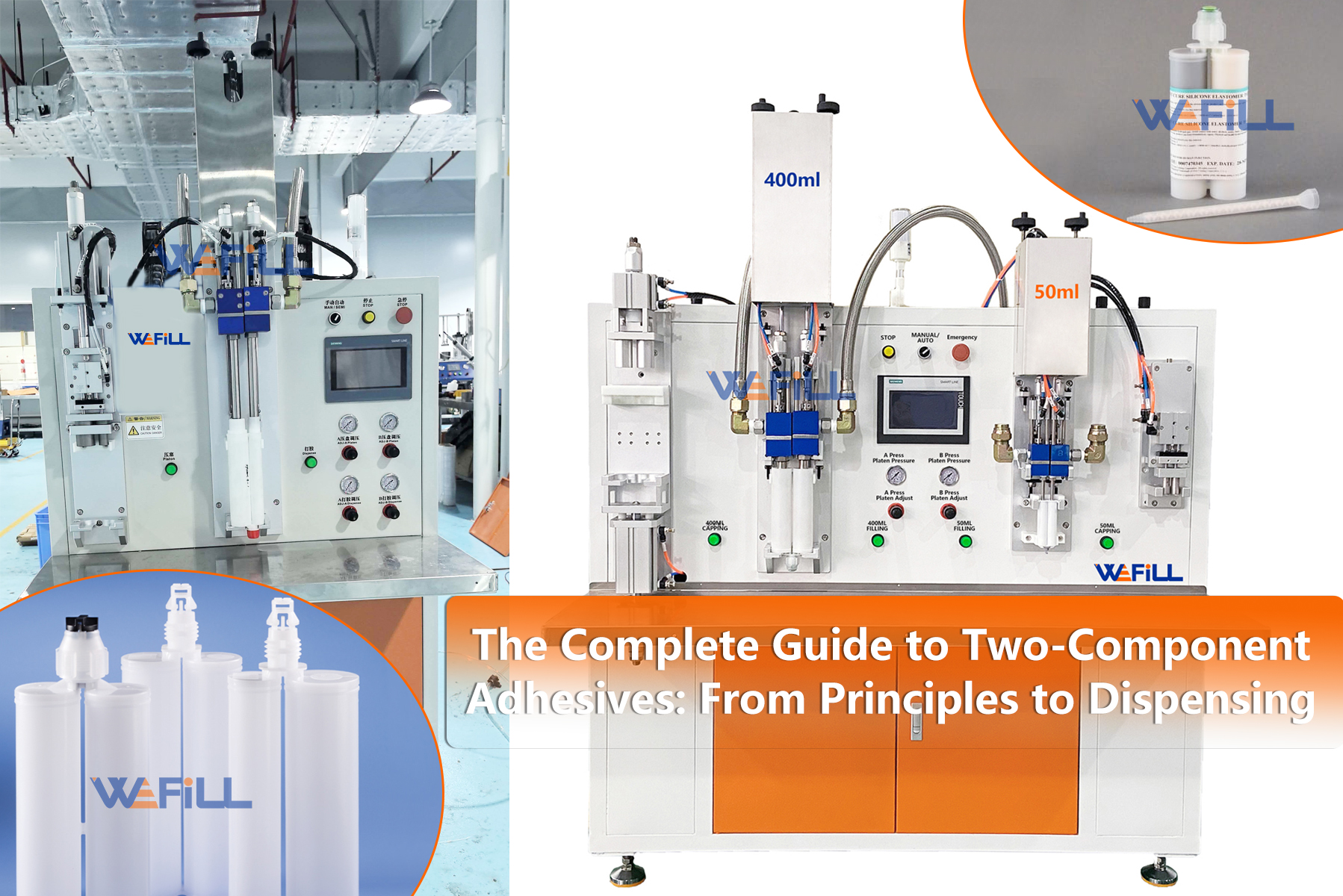
The Complete Guide to Two-Component Adhesives: From Principles to Dispensing
All the Lorem Ipsum generators on the Internet tend to repeat predefined chunks.
Articel
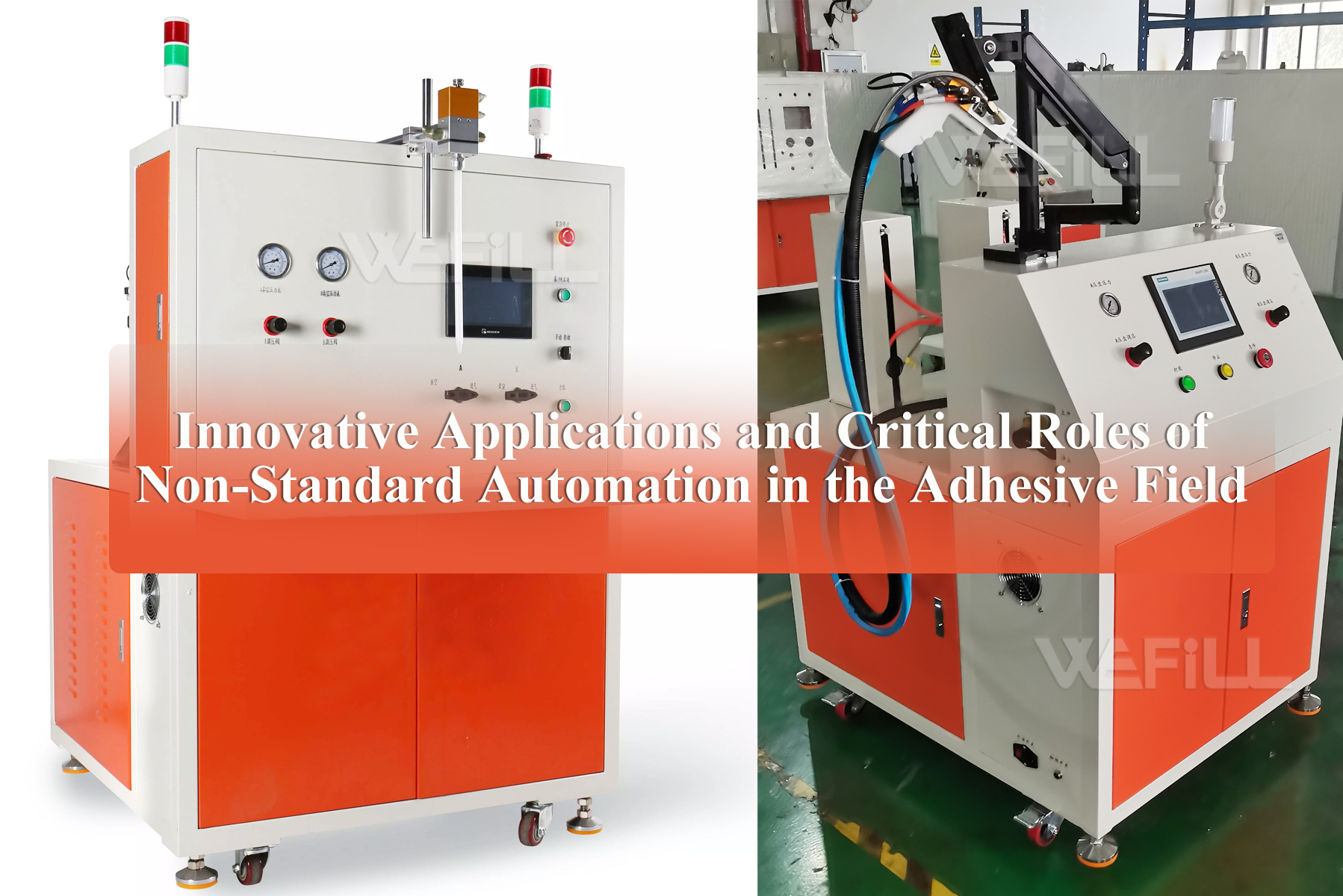
How Does Non-Standard Automation Revolutionize Adhesive Applications? — WEFILL's Future of Precision, Efficiency, and Intelligence
All the Lorem Ipsum generators on the Internet tend to repeat predefined chunks.
Articel
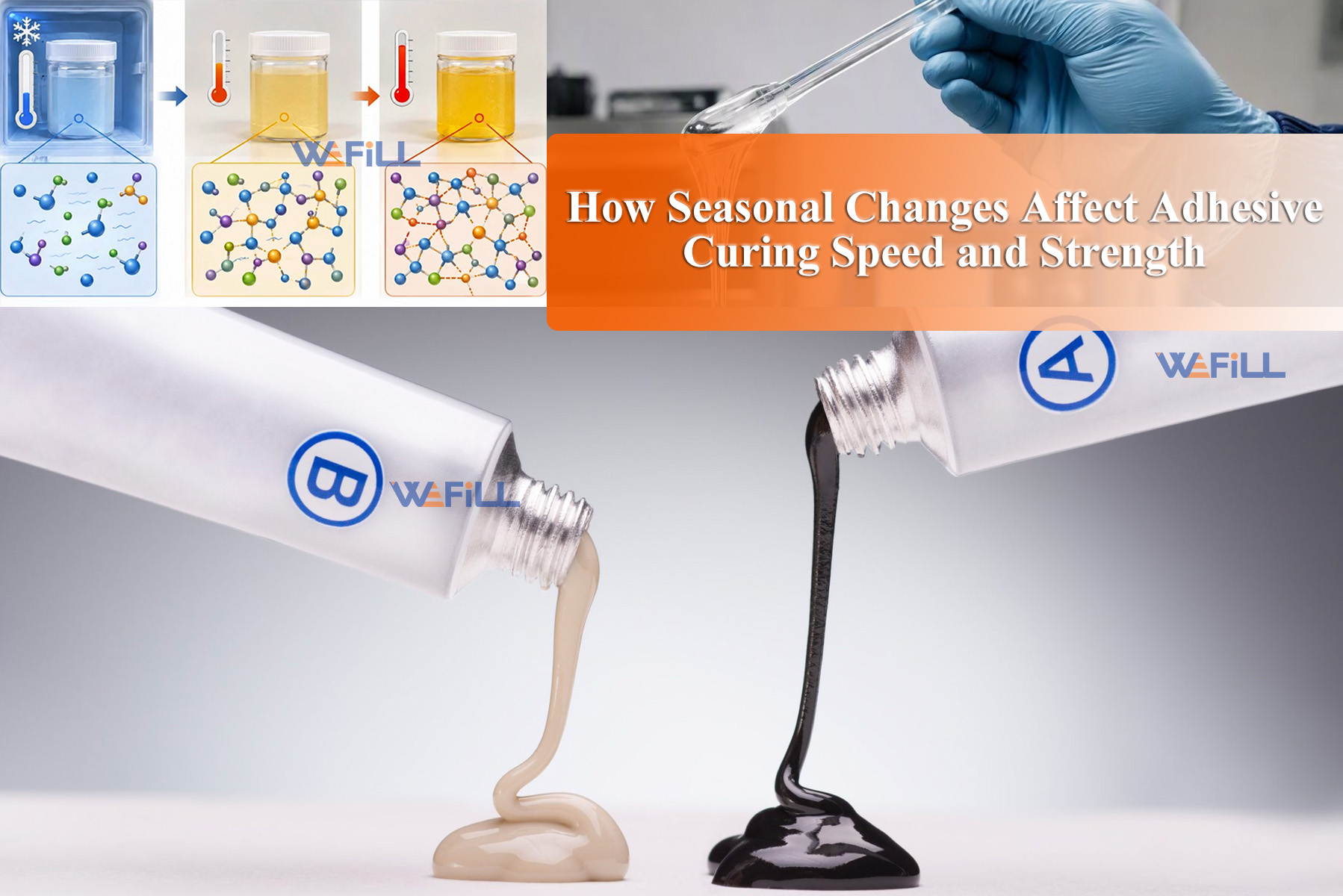
How Seasonal Changes Affect Adhesive Curing Speed and Strength
All the Lorem Ipsum generators on the Internet tend to repeat predefined chunks.
Articel
Large Platen AB Two-Component Adhesive Filling & Capping Machine: An Efficient and Precise Industrial Innovation
All the Lorem Ipsum generators on the Internet tend to repeat predefined chunks.

Articel
High-Performance Polyurethane Adhesives | Strength, Toughness & Sustainable Bonding Solutions
All the Lorem Ipsum generators on the Internet tend to repeat predefined chunks.